


Outdoor adventure is one of the most exciting parts of sleepaway camp. High ropes courses, zip-lines, climbing walls, hiking trails, and time in nature give kids the chance to feel brave, capable, and proud of themselves.
For parents, though, “outdoor adventure” can sometimes sound a little intimidating. What if a child is nervous about heights? What if they have never hiked before? How do you help a first-time camper feel excited instead of overwhelmed?
The good news: kids do not need to be fearless to love outdoor adventure at camp. With a few small steps at home and the right support at camp, even cautious campers can discover that challenge can be fun. This guide walks through practical ways to prepare your child for outdoor adventure at sleepaway camp, one step at a time.
What Outdoor Adventure Really Looks Like At Sleepaway Camp
When parents hear “outdoor adventure,” it can conjure images of extreme sports. In reality, a well-designed camp program is built around age-appropriate challenges, clear safety systems, and patient staff.
At a traditional sleepaway camp like Camp Lakota in the Catskill Mountains of Upstate New York, outdoor adventure often includes:
- High ropes courses and zip-lines that let older campers experience the thrill of height while securely harnessed and supervised by trained staff.
- Climbing walls and low ropes elements that focus on teamwork, problem-solving, and balance rather than “extreme” stunts.
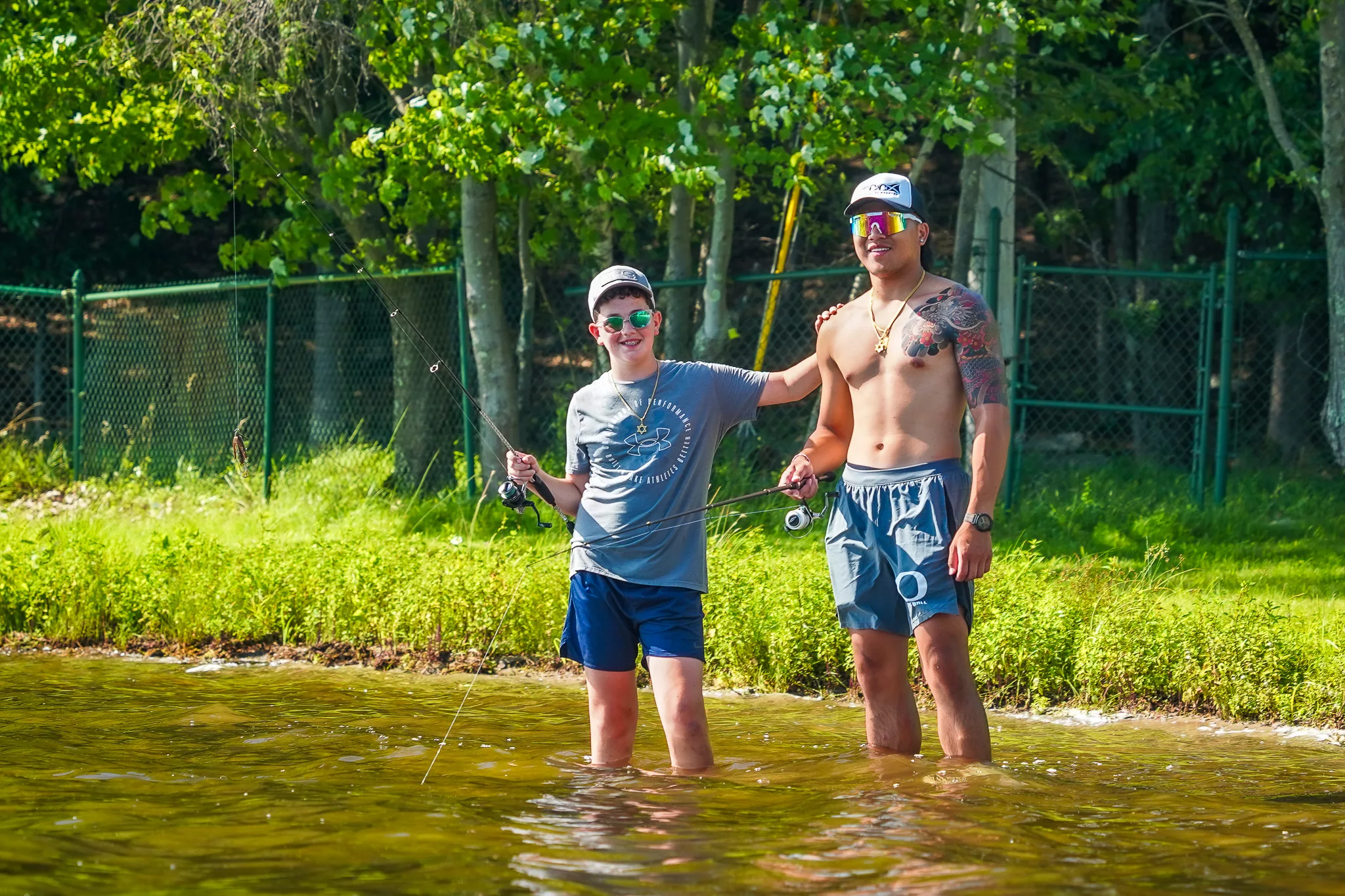
- Hiking on wooded trails, camp-outs, and nature explorations around the lake and forested surroundings.
- A nature shack or similar space where campers learn about local wildlife, ecology, and outdoor skills in a hands-on, kid-friendly way.
Campers are never just sent off to figure it out alone. Counselors and activity specialists walk them through each step, from putting on safety gear to cheering them on as they take that first brave step off the platform or along a new trail.

Step 1: Talk About Camp In A Positive, Honest Way
The way parents talk about camp at home shapes how kids feel when they arrive.
- Keep the tone positive and specific. Instead of “You’re going to do crazy ropes stuff,” try “There’s a ropes course where you’ll be clipped into a harness, and counselors will show you exactly what to do.”
- Explain what “safe adventure” means. Talk about helmets, harnesses, safety checks, and how staff members are trained to support kids on each element.
- Make room for questions. Invite your child to ask anything: “What if I’m scared?” “Do I have to go on the zip-line?” “What if I get tired on a hike?”
You do not need to promise that everything will be easy. Instead, focus on the idea that it is normal to feel nervous, and that trying new things with trusted adults nearby can feel really good.
Step 2: Build Everyday Confidence At Home
Confidence in outdoor adventure does not start on the ropes course; it starts with little “micro-adventures” that show kids they can do hard things and still feel safe.
Ideas to try in the months before camp:
- Explore local trails or parks. Short walks on uneven ground or gentle hills help kids get used to being outside for longer stretches.
- Use playgrounds as “practice courses.” Climbing ladders, crossing bridges, and navigating play structures mimic some of the balance and coordination kids use on climbing walls.
- Plan simple sleepovers. Overnight stays with grandparents, cousins, or close friends give kids practice being away from home — an important step for any sleepaway experience.
- Try backyard or living-room “campouts.” Sleeping in a sleeping bag, reading by flashlight, or listening to outdoor sounds can make the idea of a cabin or bunkhouse feel more familiar.
Celebrate small victories: climbing a taller slide than usual, finishing a hill without stopping, or staying overnight without calling home early. Those wins build the internal voice that says, “I can do new things.”
Step 3: Practice Outdoor Skills Together
Outdoor adventure at camp is about more than the big moments on the zip-line. It is also about the everyday skills that help kids feel comfortable and capable outside.
You can practice together by:
- Getting used to “camp gear.” Have your child wear the type of sneakers or closed-toe shoes they will use at camp while walking, running, and climbing. Let them practice carrying a small backpack with a water bottle and light jacket.
- Building simple hiking habits. Talk about staying with the group, listening to counselors, drinking water before they get thirsty, and letting adults know if they feel too hot or too tired.
- Spending time without screens. Many camps are tech-free or very limited. Short “no screen” blocks at home help kids get used to focusing on people and surroundings instead of devices.
- Checking the weather and dressing for it. On family outings, involve your child in choosing layers, hats, or rain gear so they learn to think about comfort and safety outdoors.
These small preparations make the transition to camp feel like a familiar extension of what they already know.
Step 4: Supporting Anxious Or Cautious Kids
Some children cannot wait to race up the climbing wall, while others prefer to watch from the ground. Both reactions are completely normal.
For anxious or cautious kids:
- Normalize feelings. Say things like “Lots of kids feel nervous the first time they see the ropes course. That’s okay — the counselors will help you decide what you want to try.”
- Focus on effort, not outcome. Instead of “You have to do the zip-line,” try “Let’s plan to walk up with your group and see what it looks like. If you try a small part, that’s a win.”
- Practice coping tools. Deep breaths, looking at a friend or counselor, or saying a simple phrase like “I can try” can give kids something to do when nerves kick in.
Many camps, including Lakota, build progression into their programs so that campers can start with smaller challenges and build up to bigger ones when they are ready.


Step 5: Partner With Your Camp’s Outdoor Adventure Team
Parents do not have to figure this out alone. A good camp partners with families to support each child.
Before registering, or in the months leading up to camp, ask:
- What outdoor adventure activities are offered for my child’s age group?
- How are staff trained for ropes, zipline, climbing, and hikes?
- What happens if my child is scared or refuses to try an activity?
- How do you decide which campers are ready for higher elements?
At Camp Lakota, for example, outdoor adventure is part of a broader program that includes high ropes, climbing, zip-line, hiking, and nature exploration, guided by trained staff who prioritize safety, encouragement, and age-appropriate challenges. Counselors get to know each camper and help them move at a pace that feels challenging but not overwhelming.
If your child has particular fears or needs, share them with the camp in advance. The more the team knows, the better they can support your camper from day one.
Rookie Day And First-Year Campers
For many families, the biggest question is not just “Will my child like outdoor adventure?” but “How will they handle the whole sleepaway camp experience?”
That is where opportunities like Rookie Day can make a big difference. Rookie Day gives young campers a chance to:
- Spend a day on camp grounds.
- Meet staff and other campers.
- Sample a few activities, which may include outdoor adventure.
- Get a feel for cabins, dining hall, and general camp rhythm.
For kids who are unsure about high ropes or zip-line, just seeing the equipment and watching others participate can be incredibly reassuring. They leave with real images and memories instead of just trying to picture camp from photos.
Quick Parent Checklist: Is My Child Ready For Outdoor Adventure At Camp?
Use this simple checklist as a guide, not a test. Many children grow into readiness once they arrive at camp and feel supported.
Your child:
- Is curious about trying new things, even if they sometimes feel nervous.
- Can follow basic safety instructions from adults.
- Can stay with a group during activities and transitions.
- Is comfortable being outdoors for extended periods with sunscreen, water, and appropriate clothing.
- Has had at least a little practice being away from home (sleepovers, overnight visits, or extended daytime activities).
- Knows they can say “I’m scared” or “I need help” to adults they trust.
If you are unsure about one or two points, that can be a great conversation to have with the camp director or staff. They can share how they support first-time campers and those who need extra encouragement.


What if my child is afraid of heights?
Many children feel nervous when they first see the ropes course or zipline. Camps typically start with detailed explanations, demonstrations, and chances to watch others first. Campers can work up from low elements to higher ones, and staff never force a child to do something they truly do not want to do. The goal is to help kids feel proud of what they try, not to complete every element.
Does my child have to participate in every adventure activity?
Camps encourage participation, but they also respect individual limits. If a camper is not ready for a particular activity, staff often provide alternative ways to be included — such as cheering on friends, trying a smaller element, or joining a different activity in the same area. Over time, many hesitant campers choose to try more when they feel ready.
How can I tell if my child is ready for an outdoor adventure camp?
Look for basic readiness signs: your child can follow safety instructions, stay with a group, and express when they are uncomfortable. If they show curiosity about trying new activities — even with some nervousness — camp can be a great place for growth. A conversation with camp staff can help you explore your child’s specific personality and needs.
What should my child pack for outdoor adventure at sleepaway camp?
Essentials usually include sturdy closed-toe sneakers, comfortable clothing that can get dirty, a reusable water bottle, and sun protection (hat, sunscreen). Some camps recommend lightweight long sleeves or pants for hikes, rain gear, and extra socks. Camps provide any specialized equipment like harnesses, helmets, or ropes.
My child has never camped or hiked before. Is that a problem?
Not at all. Many first-time campers arrive without hiking or camping experience. Outdoor adventure programs are designed to introduce skills gradually, starting with short hikes, simple nature activities, and low-level challenges. Practicing a few “micro-adventures” at home can help, but it is not required.
Adventure They Will Remember — Support You Can Trust
Outdoor adventure at sleepaway camp is not about turning kids into thrill-seekers overnight. It is about helping them discover that they can do more than they thought, surrounded by friends and staff who believe in them.
With honest conversations at home, small confidence-building steps, and a camp community that values safety, integrity, and respect, even cautious campers can find joy on the ropes course, the hiking trail, and the lakeside path.
To learn more about how Camp Lakota’s outdoor adventure program helps campers grow — and how the team supports first-time and returning campers alike — explore the Outdoor Adventure program page, request more information, or ask about upcoming Rookie Day opportunities. Your child’s next big adventure might start with one small step this summer.