

Rookie Day is a “Practice Run” for Sleepaway Camp
For many families, the hardest part of choosing sleepaway camp isn’t the activities—it’s the unknown. We designed Rookie Day to reduce that uncertainty. It gives your first-time camper (and you!) a low-risk way to experience Camp Lakota.
Think of Rookie Day not as an audition, but as a readiness tool. Our goal is simple: help your family feel oriented, help your child feel comfortable, and make the first real day of camp feel familiar instead of overwhelming.
Who Rookie Day is For
Rookie Day is most helpful for:
- First-time sleepaway camp families
- Younger campers who benefit from previewing the environment
- Campers who feel nervous about new places, new routines, or sleeping away from home
- Parents who want to understand our daily structure and supervision before enrolling
We built this day primarily for new campers and new parents. If you’re on the fence about whether your child is ready for sleepaway camp, Rookie Day provides concrete answers instead of guesses.
What Typically Happens on Rookie Day
Specific timing and activities can vary slightly year to year, but Rookie Day generally includes four “confidence builders” designed to settle nerves.
1. Arrival, Welcome, and Orientation
When you arrive, you’ll check in and get a simple overview of the day. Our leadership team and key staff will be there to help you understand what you’re seeing and where to go next.
This matters because it mirrors what the first minutes of real camp feel like. When campers already know where to stand, who to ask, and what the flow looks like, anxiety drops quickly.
2. A Walk-Through of the Spaces Campers Use Every Day
We’ll take you through the practical places that shape a camper’s routine:
- Cabins and bunk areas
- Main gathering areas (for lineups and announcements)
- The dining hall
- The Health Center location
- Key activity areas
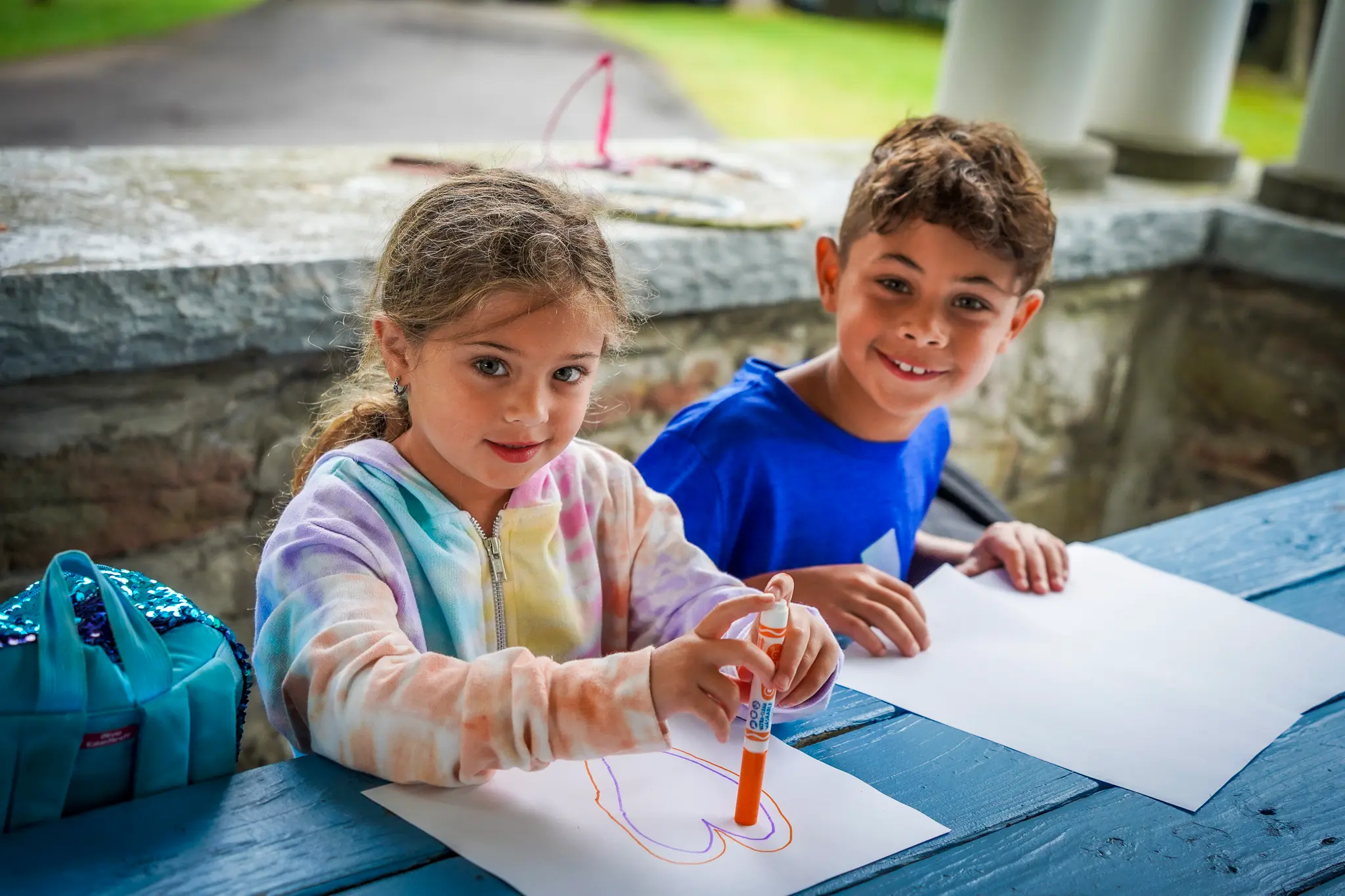
For Rookie Day, after drop-off, the kids go with their division to activities for the day, so they get to meet the kids they will be with at camp if they return the following summer as campers. We adjust the schedules when necessary so the kids get to go to the lake and some of the “favorite” activities. During the elective period the rookies go to arts and crafts and make tie-dye shirts that they can bring home.
3. Meeting Counselors and Learning How Supervision Works
A big question first-time parents carry is, “Who is actually with my child all day?” Rookie Day creates an opportunity to meet our counselors and understand how camp is staffed.
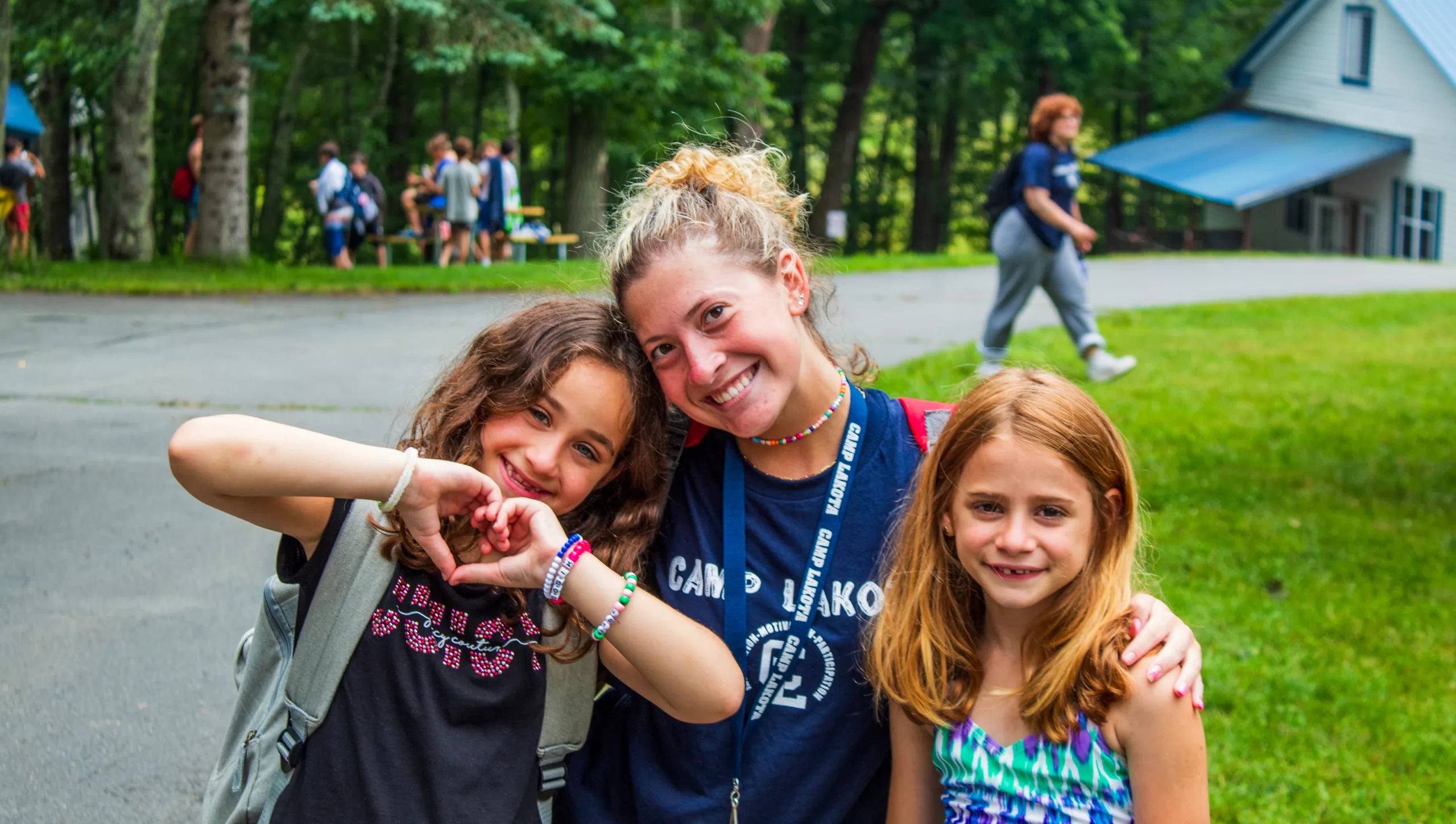
At Camp Lakota, our counselors are involved with campers throughout the day—not just as observers. You’ll see staff participating with kids in activities, which makes it easier for new campers to join in and feel included.
For younger campers, you’ll also learn about the additional leadership support in our youngest divisions, including our “Camp Moms”—experienced parents who live on camp to support our youngest groups. Learn more about what to expect at camp.
4. A Chance for Campers to “Try Camp” Socially
For many kids, the real fear isn’t the schedule. It’s, “Will I know anyone?” Rookie Day gives campers a chance to meet other first-timers and interact in a relaxed environment.
This social familiarity can be the difference between a difficult first night and a smooth first week. Even finding one friendly face can change everything.
What Parents Should Do During Rookie Day

Parents typically drop the kids off in the morning and we give them a sheet with some things in the area they can do. Then we have a parent tour scheduled for the afternoon that they can come back for, and they can also stay and eat dinner with the kids at the end of the tour before going home.
Helpful things to look for:
- Do our staff know where they need to be?
- Are transitions organized?
- Are kids engaged, and are adults participating with them?
- Do younger campers have extra support?
This is your opportunity to observe the environment your child will be in. Don’t hesitate to ask questions about anything you see—our staff are there to help you feel confident in your decision.
What Campers Should Do During Rookie Day
Campers don’t need to “perform.” The best use of Rookie Day is for your child to:
- Learn where things are
- Meet at least one staff member they like
- Meet at least one other camper
- Picture themselves doing normal camp moments (lineup, meals, activities)
If your camper leaves Rookie Day saying, “I can do this,” that’s a win. If they leave still unsure, that’s also useful information—it guides what to practice next, like a short sleepover at a relative’s house or working on independence skills at home.
What to Bring
We’ll provide specific guidance closer to the date, but in general, Rookie Day is easier when you bring:
- A water bottle
- Comfortable clothes and shoes for walking
- A simple list of questions
- A calm plan for the ride home (some kids process after they leave)
For parents, the most helpful preparation is a simple mindset shift: Rookie Day isn’t meant to eliminate every fear. It’s meant to replace vague fears with concrete understanding.
The Real Outcome We Aim For
We consider Rookie Day a success when:
- Your camper understands what camp “feels like”
- You understand how our daily structure and supervision work
- Your family can make decisions based on reality, not imagination
That is how Rookie Day supports readiness, trust, and better first-week experiences.
Many families who attend Rookie Day report that it transformed their perspective from “I’m worried about camp” to “I can picture my child here.” That shift in confidence—for both parent and child—is exactly what we hope to create.
Ready to Experience Rookie Day?
- Contact us to learn about upcoming Rookie Day dates
- Register for Summer 2026 and inquire about Rookie Day availability
- Read: Is My Child Ready for Sleepaway Camp?
- Learn more about what to expect at Camp Lakota
Rookie Day is part of Camp Lakota’s commitment to making the transition to sleepaway camp as smooth as possible for first-time families. We believe that informed families make confident decisions, and confident families create successful camp experiences.