


Sending your child to sleepaway camp for the first time is a big milestone, and it comes with a whole mix of feelings. Excitement about what they’ll experience. Pride in watching them take this step. And if we’re being honest, more than a little nervousness about how it will all go.
That combination is completely normal. And if you’re reading this trying to figure out how to prepare, you’re already on the right track.
It’s Normal to Feel Nervous (For You & Your Child)
First-time camp is a big transition, for kids and for parents. Most children feel a mix of excitement and anxiety leading up to their first summer away, and most parents do too. That’s not a sign that something is wrong or that this isn’t the right decision. It’s just what it feels like to do something meaningful for the first time.
The nerves don’t last. For kids, they usually fade within the first few days once routines kick in and friendships start forming. For parents, they tend to ease up around the time the first happy letter arrives. The feelings are real, but they’re not a signal to pull back.

What Parents Wish They Knew Before Summer Camp
Most first-time camp parents say the same things in hindsight. Based on our experience, here is what we think is worth knowing before the summer begins:
1. Homesickness Is Normal, and Temporary
Most kids experience some degree of homesickness during their first summer away, and that’s completely expected. It almost always shows up early, in the first few days, and fades quickly once kids settle into camp life. Our counselors are trained to recognize it and support campers through it before it has a chance to take hold.
2. Kids Adjust Faster Than You Expect
The first two or three days are usually the hardest. After that, routines click in, bunkmates become friends, and most kids stop counting the days and start living them. The adjustment curve is real, but it has a very clear endpoint. By the end of the first week, most first-time campers are fully in it.
3. You Don’t Need to Fix Everything from Home
It can be tempting to step in the moment you sense your child struggling. But, our staff are experienced at supporting kids through the natural challenges of camp life. Parents who intervene too early, whether through frequent calls, anxious letters, or promises to pick up early, can unintentionally make the adjustment harder. Remember to trust the people you chose to care for your child.
4. Independence Happens Quickly
Kids surprise their parents at camp. Managing their own schedules, navigating new friendships, trying activities they’ve never done before, growth happens in small moments and adds up fast. Most parents say the child who came home at the end of the session seemed older somehow, more capable and more confident than the one who left.
5. The Experience Is Bigger Than You Realize
A summer at camp isn’t just a break from screens and school. It’s where kids build real social skills, discover what they’re capable of outside of their comfort zone, and form friendships that often last for years. The social growth, confidence, and life skills that come from even one successful summer away tend to carry into everything that follows.
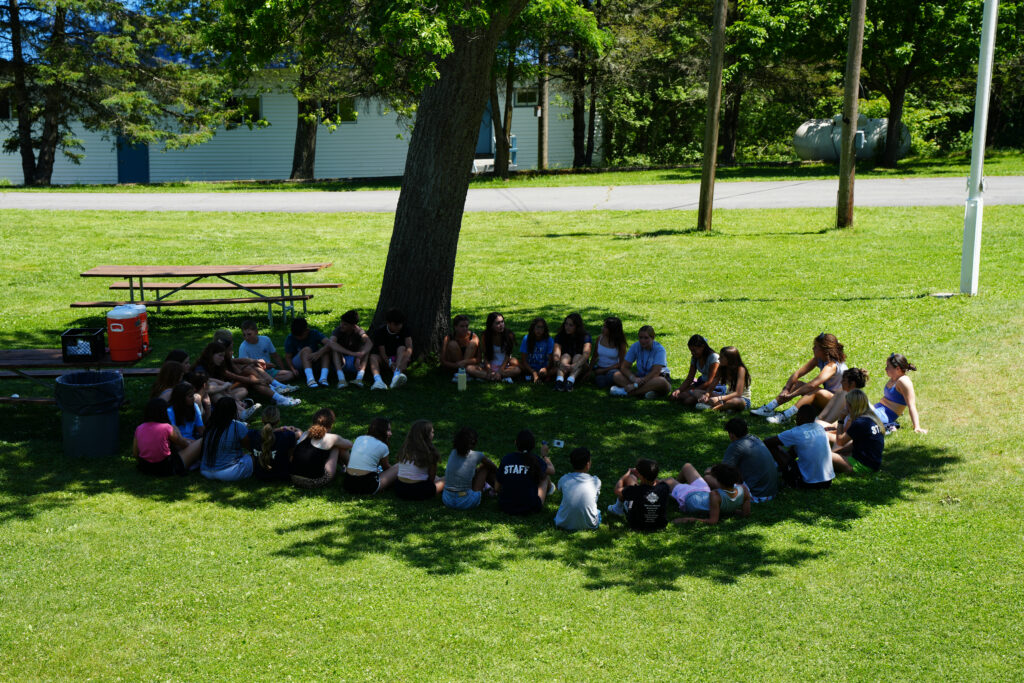
How to Prepare Your Child for Their First Camp Experience
Once you decide your child is ready, it’s your turn to instill confidence and settle your child’s worries. There’s lots to know before heading off to camp, but you’ve got this! Our experience has taught us that there are easy steps any parents can take to prepare their child to have the best summer camp experience.
Talk About What to Expect
Anxiety about the unknown is one of the biggest drivers of first-time camp nerves. Walk your child through what a typical day at camp actually looks like, meals, activities, bunk time, evening programs. The more familiar it feels before they arrive, the less overwhelming it will be when they get there.
Practice Time Away From Home
If your child hasn’t spent much time away from home, build up to it before the summer. Sleepovers at a friend’s or grandparent’s house, even just one or two nights, give kids a reference point for what it feels like to be away and be okay. That experience, however small, makes camp feel far less like a leap into the unknown.
Build Confidence in Small Ways
In the weeks leading up to camp, let your child make more decisions on their own. What to wear, what to pack, how to spend their afternoon. Small moments of independence add up and help kids arrive at camp already feeling capable rather than dependent.
Pack Together, Not For Them
Packing together gives your child ownership over their camp experience before it even starts. Let them choose which clothes to bring, organize their trunk, and check items off the list themselves. This process instantly reduces anxiety and builds excitement.
Read Our Complete Guide to Sleepaway Camp

How Parents Can Prepare Themselves
Your own preparations are nearly as important as how you prep your child. It’s totally normal to feel a bit overwhelmed with the idea of your kid being away from home for multiple weeks. Here’s how you can get ready for the time away:
Trust the Process
Camps are experienced at handling exactly what first-time families worry about. Your child will have trained counselors around them every day, a structured schedule to settle into, and a community of kids going through the same experience. You don’t need to manage things from home; the support is already there.
Set Communication Expectations
Resist the urge to over-communicate during the first week. Frequent calls and daily letters keep your child’s attention pointed toward home instead of toward the new world they’re building at camp. One warm, confident letter early on does far more good than daily check-ins. Keep your messages positive, forward-looking, and free of anxiety.
Be Ready for Your Own Emotions
Missing your child is completely normal. The house will feel quieter. You’ll wonder how they’re doing. That’s all part of it. When those feelings come up, focus on the long-term picture. The growth, confidence, and experiences your child is gaining are worth the temporary discomfort of being apart. And before you know it, they’ll be home telling you stories you couldn’t have predicted.
What Your Child Should Know Before Camp
It helps to have a direct conversation with your child before they leave. A few things worth saying out loud:
- It’s okay to feel nervous; everyone does their first time.
- Everyone at camp is figuring it out at the same time. No one has it all together from day one.
- Try new things, even the ones that feel uncomfortable. That’s exactly where the good stuff happens.
- If something feels hard, talk to your counselor. That’s what they’re there for.
What a First-Time Camper Experience Looks Like at Camp Lakota
We pay close attention to first-time campers because we know that first experience sets the tone for everything that follows. Here is what that looks like in practice:
- Our counselors are trained to guide first-time campers through the adjustment period, checking in early and often so no child feels lost or overlooked.
- Our structured daily schedule with lots of activities gives kids a consistent rhythm to settle into, which reduces anxiety and helps friendships form faster than an unstructured environment would allow.
- Our community is intentionally close-knit. Kids are grouped with peers at similar stages, so connections happen naturally and everyone finds their place.
Read More About What to Expect at Camp Lakota
Common First-Time Camp Mistakes to Avoid
A few things that seem helpful in the moment but tend to make things harder for first time campers:
- Overpacking. A trunk stuffed with every possible comfort item can actually increase anxiety rather than ease it. Pack what’s needed and leave room for camp to feel like camp.
- Promising an early pickup. “If you’re miserable, I’ll come get you” gives kids an exit strategy that lives in the back of their mind all session. It also signals that you’re not sure they can handle it, which makes it harder for them to believe they can.
- Sending anxious messages. Kids read between the lines. A letter full of worry communicates worry. Keep your messages warm, confident, and focused on what they’re experiencing, not on how much you miss them.
- Not preparing your child. The families who do the best are the ones who talked about camp beforehand, practiced time away, and set clear, positive expectations. Preparation is the single biggest factor in a smooth first experience.
The First-Time Summer Camp Experience Is Worth It
The first summer is always the hardest one, for kids and for parents, but it’s also where the most meaningful growth happens. Kids come home more confident, more independent, and more capable than when they left. Parents gain a new perspective on what their child is actually capable of when given the space to figure things out on their own.
The discomfort of that first goodbye is real, and so is everything that follows it.
Trusting the First Step
Sending your child to camp for the first time is a milestone, and it’s okay to feel unsure about it. Most first-time families do. What matters is that you don’t have to figure it out alone. Camp Lakota is designed to support both kids and parents through every part of this experience, from the first questions to the last day of the session.
Explore our session options and dates or reach out to us with any questions. We’re happy to help you find the right fit for your child!