

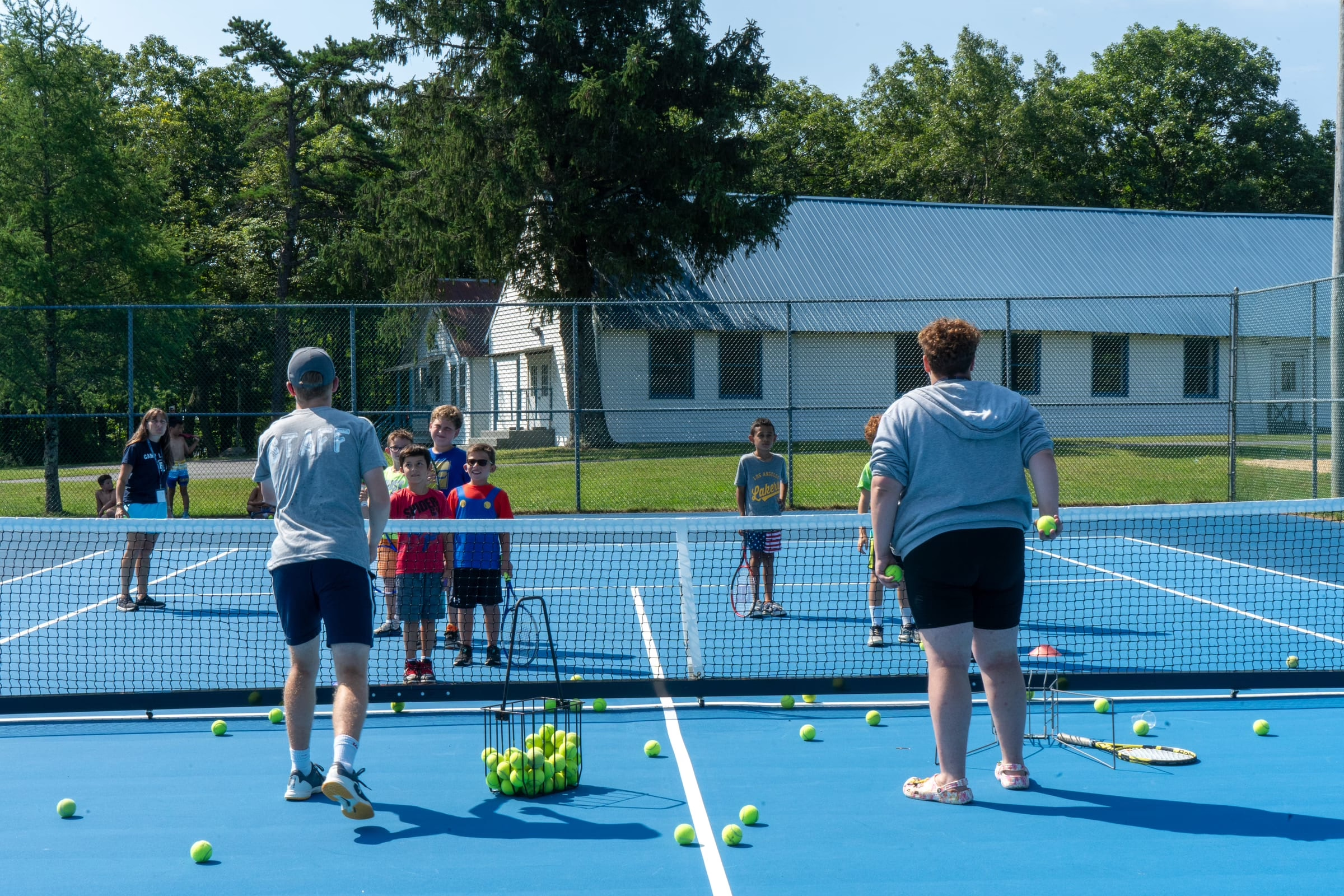
Best Summer Camps in New York: A Practical Guide for Parents (2026)
If you’re searching for the best summer camps in New York, you’re probably not looking for a random “top 10” list. You’re trying to make a confident decision for your child-one that balances fit, safety, supervision, and the kind of growth you actually want your child to experience.
This guide gives you a simple, parent-first way to compare New York summer camps-then explains how to take the next step if Camp Lakota looks like a match.
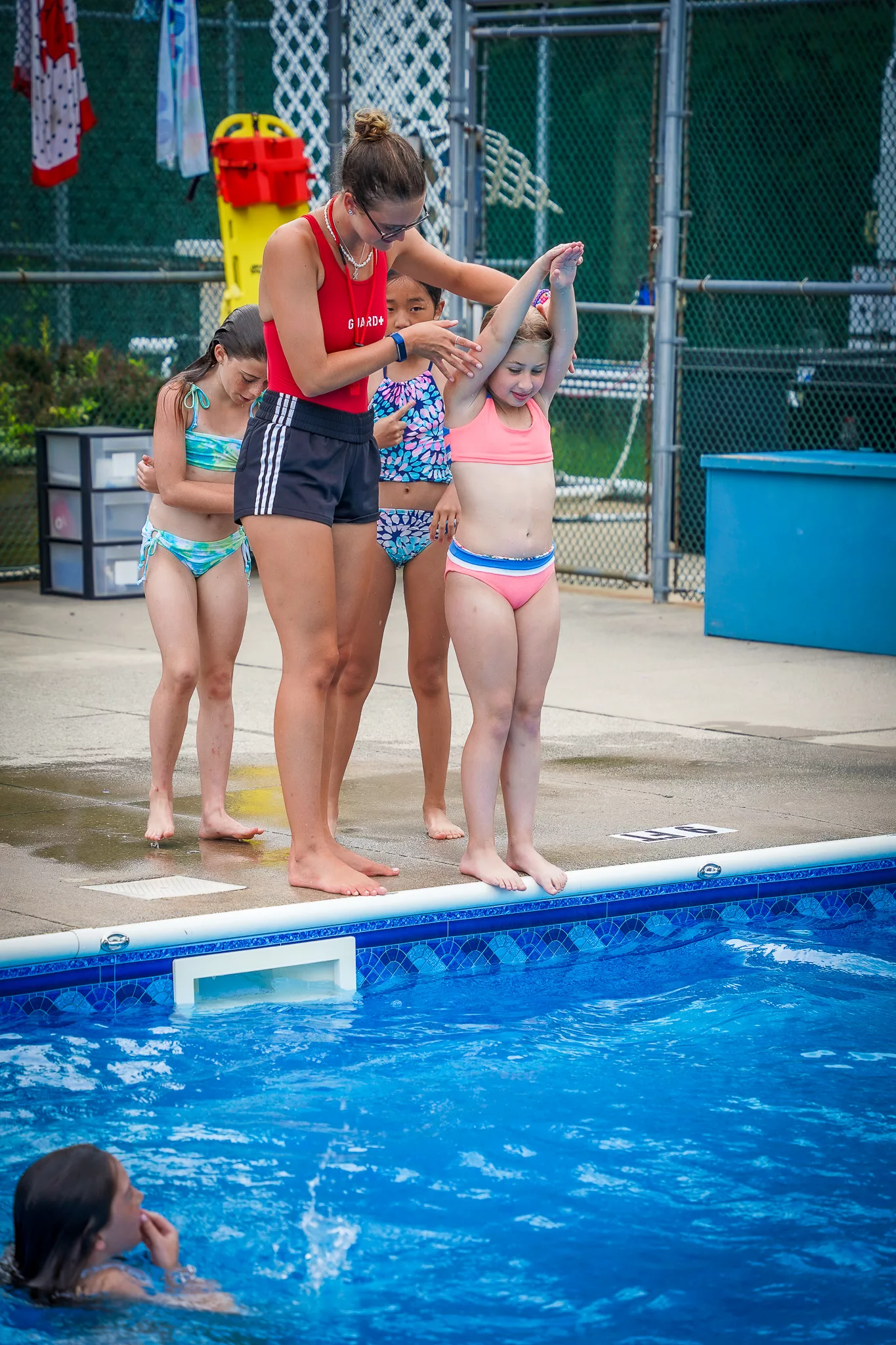
“Best” isn’t universal-start with fit
Two camps can both be “great” and still be wrong for your family. Before you compare websites and photos, get clear on what success looks like for your child:
- Readiness: Are they comfortable with overnights and basic self-care (showering, asking for help, managing routines)?
- Social style: Do they thrive in a big, high-energy environment-or a more connected community feel?
- Structure: Do they do better with a consistent schedule (less decision fatigue) or lots of choice all day?
- Growth goals: Confidence? Independence? New friendships? Skill-building? Trying new activities safely?
When you’re clear on fit, the rest becomes easier.
How to compare New York summer camps (a practical checklist)
Use these questions on every tour, call, and email thread. They help you cut through marketing and get to what matters.
1) What does supervision look like in the “in-between” moments?
Activities are the easy part-most camps are well staffed in structured programming. Ask about supervision during:
- transitions between activities
- downtime before dinner and evening programs
- bedtime routines
- early morning wake-ups
If a camp can explain how they manage those moments, they’re usually well run.
2) How do they support first-time campers (and homesickness)?
Homesickness isn’t a dealbreaker-it’s normal. What you want is a camp that has a clear, practiced approach:
- What’s the counselor playbook for days 3-4 (a common window)?
- Who escalates concerns and when?
- How does the camp help a child re-engage and build confidence?
If you want a preview of what day-to-day camp life can look like, start here:
3) What are the safety and supervision “trust signals”?
You don’t need a camp to be perfect; you need them to be serious, consistent, and transparent. Ask:
- How are staff trained before campers arrive?
- Who is responsible for health-related concerns and parent communication?
- How is waterfront time supervised and structured?
(Avoid comparing camps only by activity lists-your peace of mind comes from systems.)
4) How consistent is the daily schedule?
For many kids (especially first-timers), a consistent daily rhythm is what makes camp feel safe and understandable. Ask:
- Do campers follow a predictable day?
- Are activities age-appropriate and organized by division/age group?
- Is there enough structure to keep kids engaged (without feeling rigid)?
5) What’s the path from “interested” to “confident”?
Great camps make it easy to move from curiosity -> confidence:
- Can you talk to a real person about fit?
- Is there a chance to visit the property or attend a preview day?
- Are next steps clear (dates/tuition -> request info -> enrollment)?
At Camp Lakota, the best starting point is Request Info:
What kind of New York summer camp experience are you looking for?
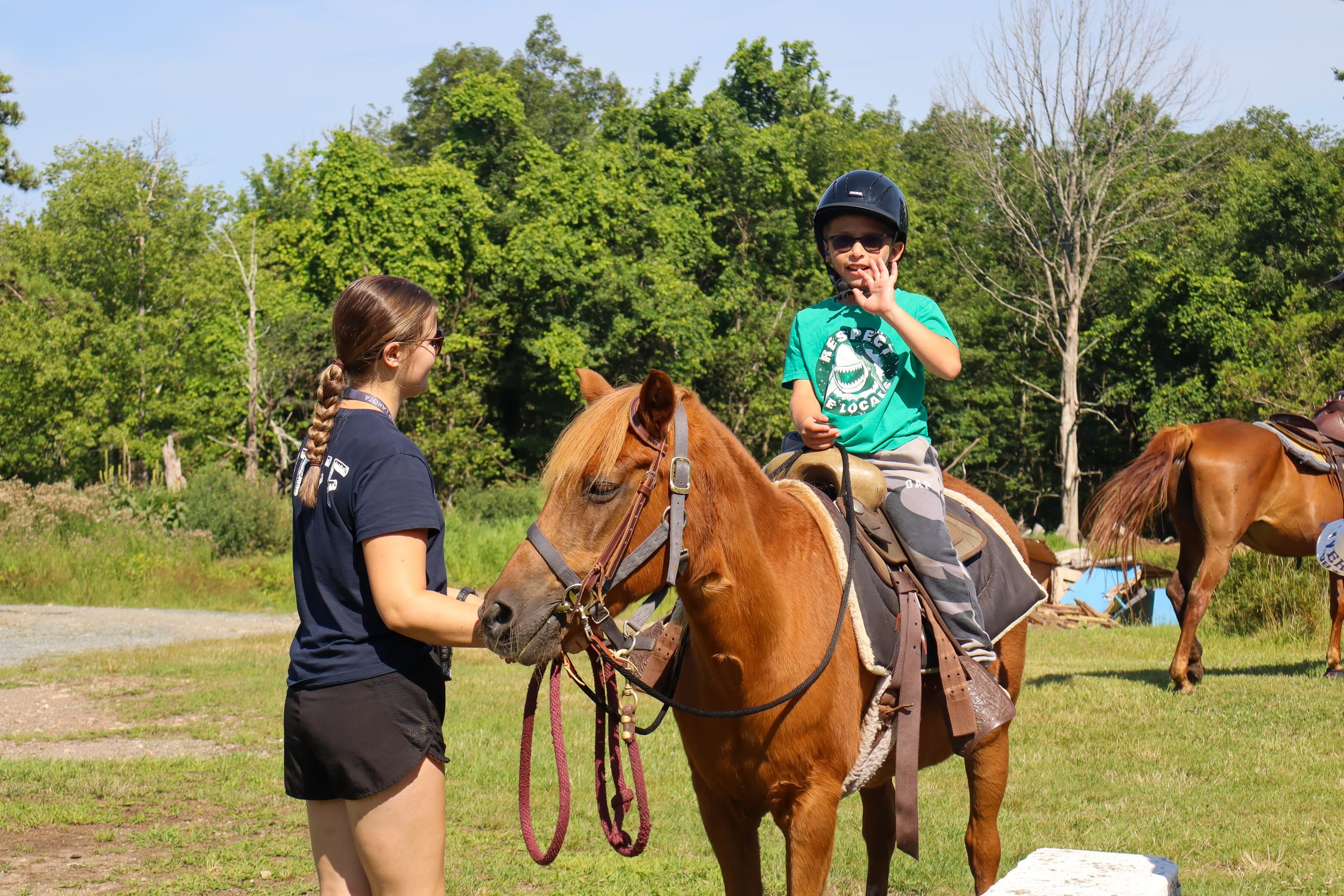
New York camps vary widely. Most fall into a few categories:
- Traditional sleepaway camps: broad activity mix, strong community living, camp traditions.
- Specialty camps: deeper focus on one area (sports, arts, academics).
- Day camps: great for families who aren’t ready for overnights (different goals than sleepaway).
If your goal is independence, confidence, and friendships that last, a traditional sleepaway environment is often the most transformative.
Where Camp Lakota fits (and who it’s best for)
If you’re looking for a co-ed sleepaway camp in New York’s Catskill Mountains, Camp Lakota is worth considering-especially if you want:
- a warm community feel where campers are known and supported
- a structured daily rhythm that helps first-time campers settle in
- a broad mix of activities (including waterfront/lake life) without “pressure-cooker” specialization
If you’re comparing camps and want a general “sleepaway camp” overview first, this guide is a helpful baseline:
Dates, tuition, and how to take the next step
Pricing and session options belong on one source-of-truth page (so we don’t accidentally publish outdated numbers). Use:
If you’re early in the process and want help deciding whether your child is ready, this is a good next read:
FAQs (quick answers for first-time families)
What age is best for sleepaway camp?
It depends less on age and more on readiness-comfort with overnights, willingness to try new things, and ability to ask for help when needed.
How do I know if my child will be safe at camp?
Look for clear systems: training, supervision during transitions, structured routines, and transparent parent communication.
Should we visit before enrolling?
If your family is new to sleepaway camp, visiting can make the decision much easier. Camp Lakota’s Rookie Day is a great option:
Next steps
If you’re comparing New York summer camps and want help thinking through fit, we’re happy to talk.
- Request Info (best starting point): Request Info
- Explore Dates & Tuition: Dates & Tuition
- Ready to enroll (secondary): Enroll Now