


Short Session Sleepaway Camps in New York (2026): 3-Week vs 6-Week for First-Time Families
Many families search for “2 week sleepaway camps in New York” because they want a first step that feels manageable.
That instinct makes sense.
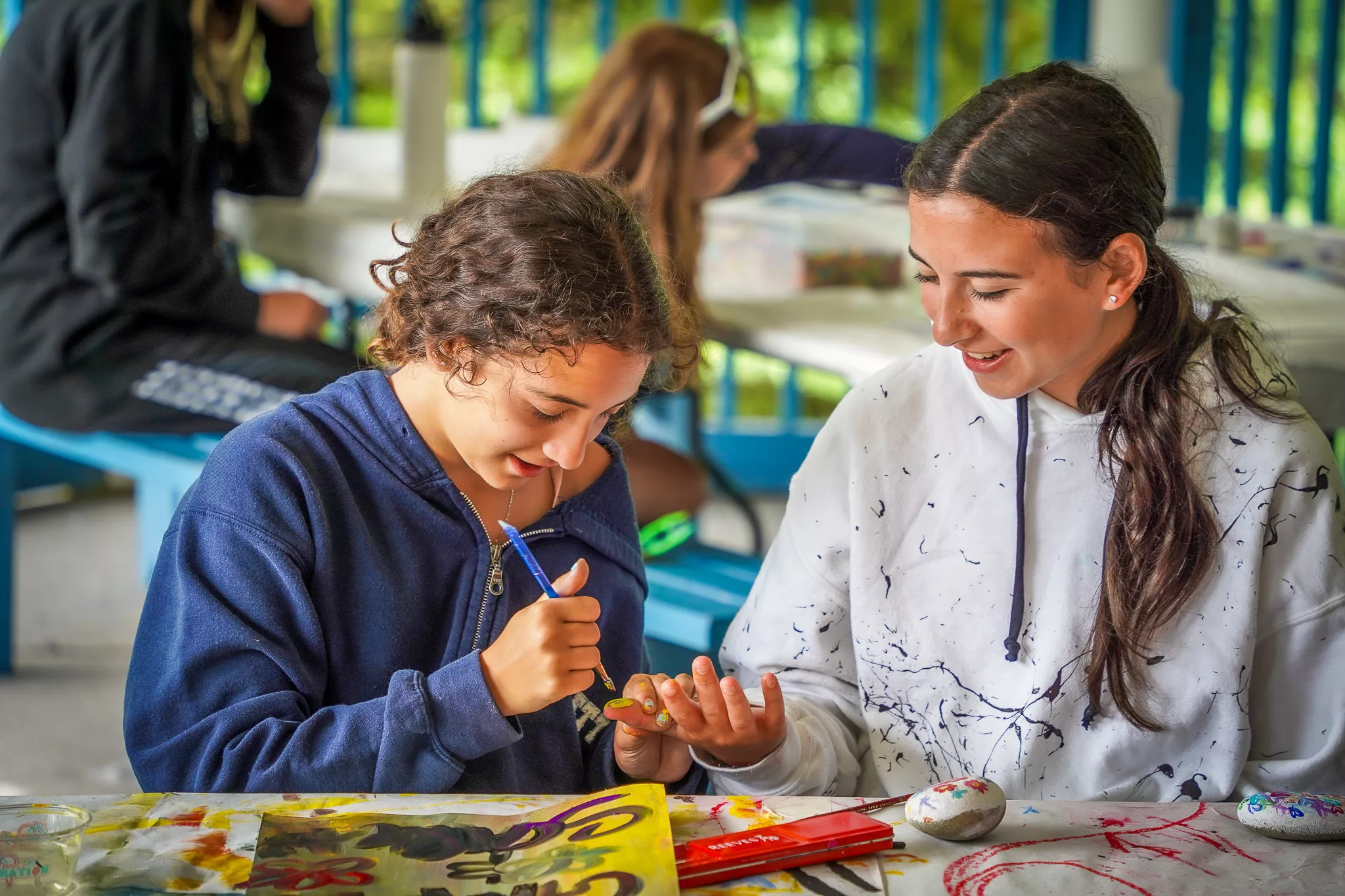
For most parents, the number 14 is not the real goal. What they are looking for is a structured introduction to sleepaway camp that feels safe, supportive, and not overwhelming for a first experience.
Here is what surprises many families: traditional sleepaway camps are rarely built around two-week sessions. Most are intentionally structured around three-week and full-session options.
So the real question becomes:
If you are searching for two weeks, what kind of first experience are you actually hoping to create for your child?
This guide will help you think through that decision clearly and confidently.
If You Are Searching “2 Weeks,” What Are You Really Trying to Solve?
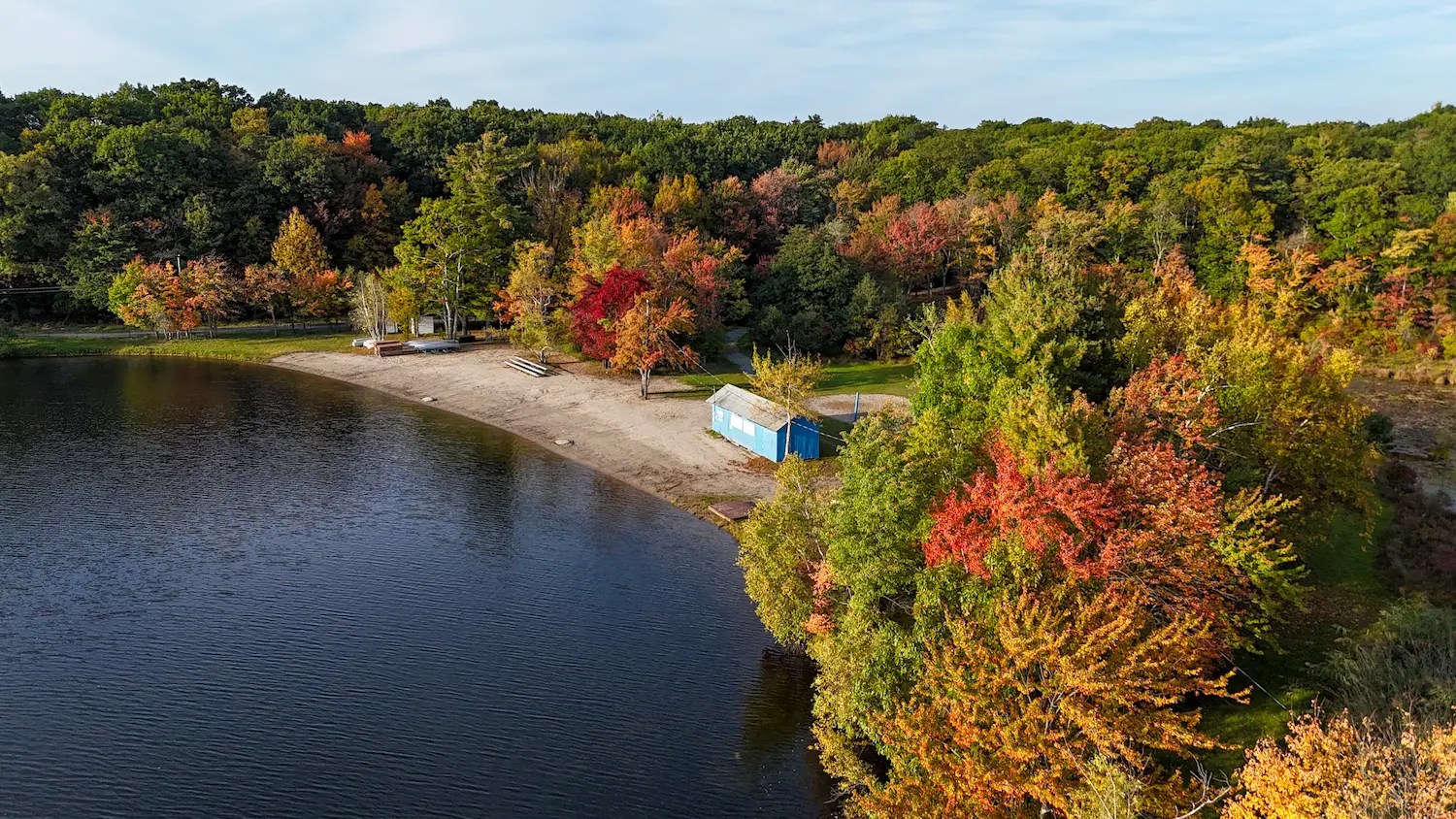
Most parents who search for short sessions are trying to reduce one of three concerns:
- Homesickness risk
“What if they struggle being away from home?”
- Readiness risk
“Are they truly ready for sleepaway camp?”
- Commitment risk
“What if they do not love it and we committed to a full summer?”
Those are thoughtful questions. They usually signal that you are approaching this decision carefully.
The key is not simply shortening the calendar. It is choosing a structure that supports your child through the full adjustment cycle.
Understanding the First-Time Camper Adjustment Curve
For many first-time campers, the experience unfolds in phases:
- Days 1 to 2: Excitement, novelty, and some nerves
- Days 3 to 5: A common homesickness window for first-timers
- Week 2: Comfort builds and friendships begin to feel real
- Week 3: Independence strengthens and confidence becomes visible
This pattern is one reason many traditional camps intentionally design their rookie experiences around three weeks rather than two. The third week often allows children to move from simply adjusting to truly thriving.
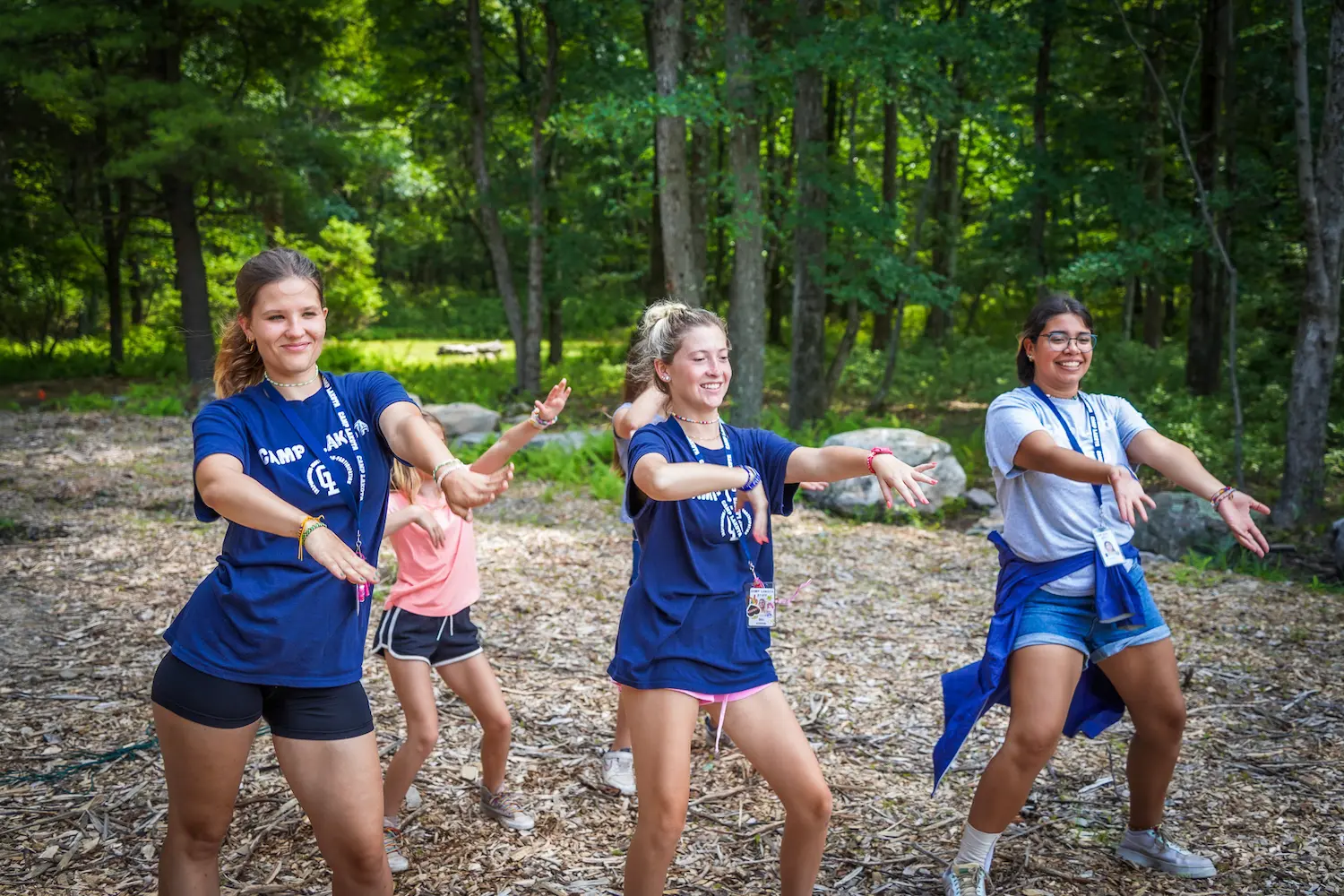 t: 1.7;”>Two weeks can work for some children, especially those already comfortable with overnights and transitions. But for many first-time campers, that extra stretch of time is where growth solidifies.
What Is a “Successful” First Camp Experience for Your Family?
Try finishing this sentence:
“A successful camp experience for our child would mean…”
For most families, the answers include:
- Building independence and confidence
- Making real friendships
- Reducing screen time and spending more time outdoors
- Trying new activities in a structured environment
If your goal is meaningful growth, connection, and momentum going into the school year, the structure of the session matters more than the exact number of days.
Why Many Traditional Camps Structure Rookie Sessions at 3 Weeks
Three weeks is often designed as a true introduction to sleepaway camp.
It gives children:
- Time to move through the homesickness window
- Time to settle into routines
- Time to form friendships that feel authentic
- Time to experience major camp traditions
Instead of feeling like a trial run, a well-designed three-week session can feel complete and confidence-building.
For families who initially search for “2 weeks,” this structure often ends up being a better fit than they expected.
3 Weeks vs 6 Weeks: Choosing the Right First Experience
If you are deciding between a shorter session and a full session, the difference usually comes down to readiness and goals.
A 3-week session is often ideal for:
- Younger first-time campers
- Children entering grades 1 through 5
- Families who want a structured introduction without committing to a full summer
A 6-week session is often ideal for:
- Returning campers
- Older children who want deeper friendships and leadership opportunities
- Families who want the full traditional sleepaway camp experience
Both paths can be successful. The right choice depends on your child’s maturity, comfort with independence, and what you want this summer to represent.
For current session dates and details, always refer to the official page:
How Camp Lakota Approaches Short-Session Intent
Camp Lakota does not offer a two-week sleepaway session.
Instead, Lakota offers:
- Rookie Day, a one-day introduction experience
- A 3-week rookie session for first-time campers in grades 1 to 5
- A 6-week full-session traditional camp experience
Lakota’s 3-week rookie session is intentionally designed for first-time campers. It allows enough time for children to move through the typical adjustment period, build real friendships, and gain independence before heading home.
For many families who begin by searching for “2 week sleepaway camps,” this structure ultimately feels more supportive and complete than a shorter stay.
Exact eligibility, dates, and tuition are always kept up to date here:
What to Ask Camps When Comparing Short Sessions
If you are evaluating any short-session option, ask these questions:
How do you help kids make friends quickly?
Ask how cabins are structured and how counselors intentionally integrate first-time campers.
What is your homesickness approach?
Look for a clear philosophy that includes validation, engagement, routine, and communication.
How structured is the day?
Short sessions work best when children feel secure in predictable routines. You can see what a structured day looks like here:
How does parent communication work?
Understand when and how the camp reaches out and who your point of contact will be.
Helpful Starting Points
If you are exploring Camp Lakota specifically, these resources may help:
- Location and fit hub:
Sleepaway hub (location and fit)
- Is My Child Ready Guide:
- Packing for 3 Weeks vs 6 Weeks:
- How Counselors Support First-Time Campers:
How counselors support first-time campers
If you would like your child to see camp before committing, Rookie Day is designed as a confidence-building introduction:
Next Steps
If you are searching for a short, manageable first experience, the next step is not necessarily finding the shortest session available. It is understanding which structure best supports your child’s growth.
- Request Info:
- Dates and Tuition:
- Enroll Now:
FAQs
Is two weeks too short for a first sleepaway camp experience?
It depends on the child. Some children do well in two weeks. Others benefit from additional time to move through the adjustment period and build lasting friendships. Ask how the camp structures its first-week support.
Why do many traditional camps offer three weeks instead of two?
Three weeks often allows children to fully adjust, settle into routines, and experience meaningful growth. It is commonly designed as a complete first-time experience rather than a trial stay.
Should we visit before enrolling?
If you are new to sleepaway camp, visiting can reduce uncertainty. Rookie Day offers a structured introduction: