


The Counselor’s Real Job is Confidence Building
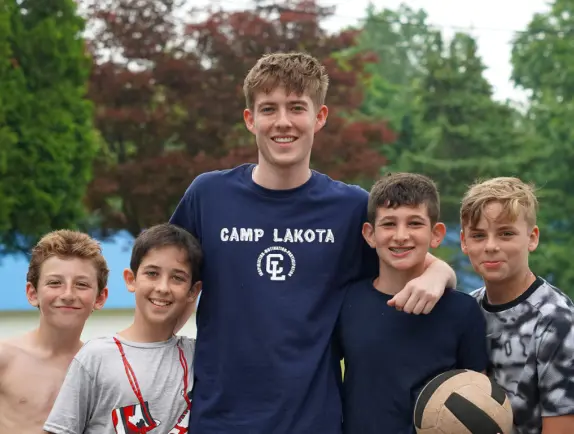
Parents often think of camp counselors as activity supervisors. In reality, the most important role our counselors play for first-time campers is helping kids feel safe, capable, and included—especially in that crucial first week.
First-time campers are doing something developmentally significant: practicing independence in a new environment. Our counselors support that transition by combining structure with warmth and staying close enough that kids never feel alone in the experience.
Counselors can’t do this work alone. The most successful first-time campers have parents who:
- Prepare their child emotionally before camp by talking positively about the experience
- Avoid negotiating “escape clauses” like “If you hate it, I’ll come get you”
- Trust the process when counselors report that a homesick moment passed
- Send encouraging letters that focus on pride and camp activities rather than “I miss you so much”
- Communicate concerns directly to leadership rather than trying to coach from home
This partnership works best when parents view counselors as collaborators, not substitutes. Counselors bring training, experience, and on-the-ground perspective. Parents bring deep knowledge of their individual child. Together, these create the conditions for thriving.
The Outcome You Should Expect

With strong counselor support, most first-time campers at Camp Lakota:
- Learn the daily rhythm within days and stop feeling disoriented
- Make at least one meaningful friend quickly, often with counselor facilitation
- Try activities they wouldn’t try at home, emboldened by counselor participation and encouragement
- Become more confident and capable by the end of the session, measurably more independent than when they arrived
That is what thriving looks like at sleepaway camp: not perfection, but growth with steady support.
What You Can Do to Support Your Camper and Their Counselors
Before camp:
- Talk about counselors positively: “Your counselors are trained to help with anything you need”
- Encourage your child to speak up: “If you’re feeling worried, tell your counselor”
- Set realistic expectations: “The first few days might feel hard, and that’s normal”
During camp:
- Trust counselor expertise when they report your child is adjusting well
- Reach out to directors (not counselors directly) if you have concerns
- Send letters that empower rather than create longing
- Remember that counselors care deeply about your child’s wellbeing—they chose this work because they love kids
After camp:
- Ask your child about their counselors—often these relationships are highlights
- Share positive feedback with camp leadership
- Recognize that your child’s growth happened because counselors created safe space for it
Frequently Asked Questions
Ready to Experience Camp Lakota?
Explore Our Programs:
- View Our Summer Session Dates & Pricing
- Learn About Rookie Day (Perfect for First-Timers)
- Discover All Our Activities
Connect With Us:
- Request Information About Summer 2026
- Schedule a Campus Tour
- Call Us: (845) 888-5611
- Email: info@camplakota.com