


Sleepaway Camps for Teens: A Practical Guide for Parents (2026)
Teen sleepaway camp is not “little kid camp, but bigger.” A great teen camp experience is about the things that matter most to teens:
- independence with boundaries
- belonging and a healthy social culture
- meaningful activities that feel age-appropriate
- nights that are fun (and well-run)
If you’re searching for sleepaway camps for teens, this guide will help you evaluate fit quickly-and take a confident next step.
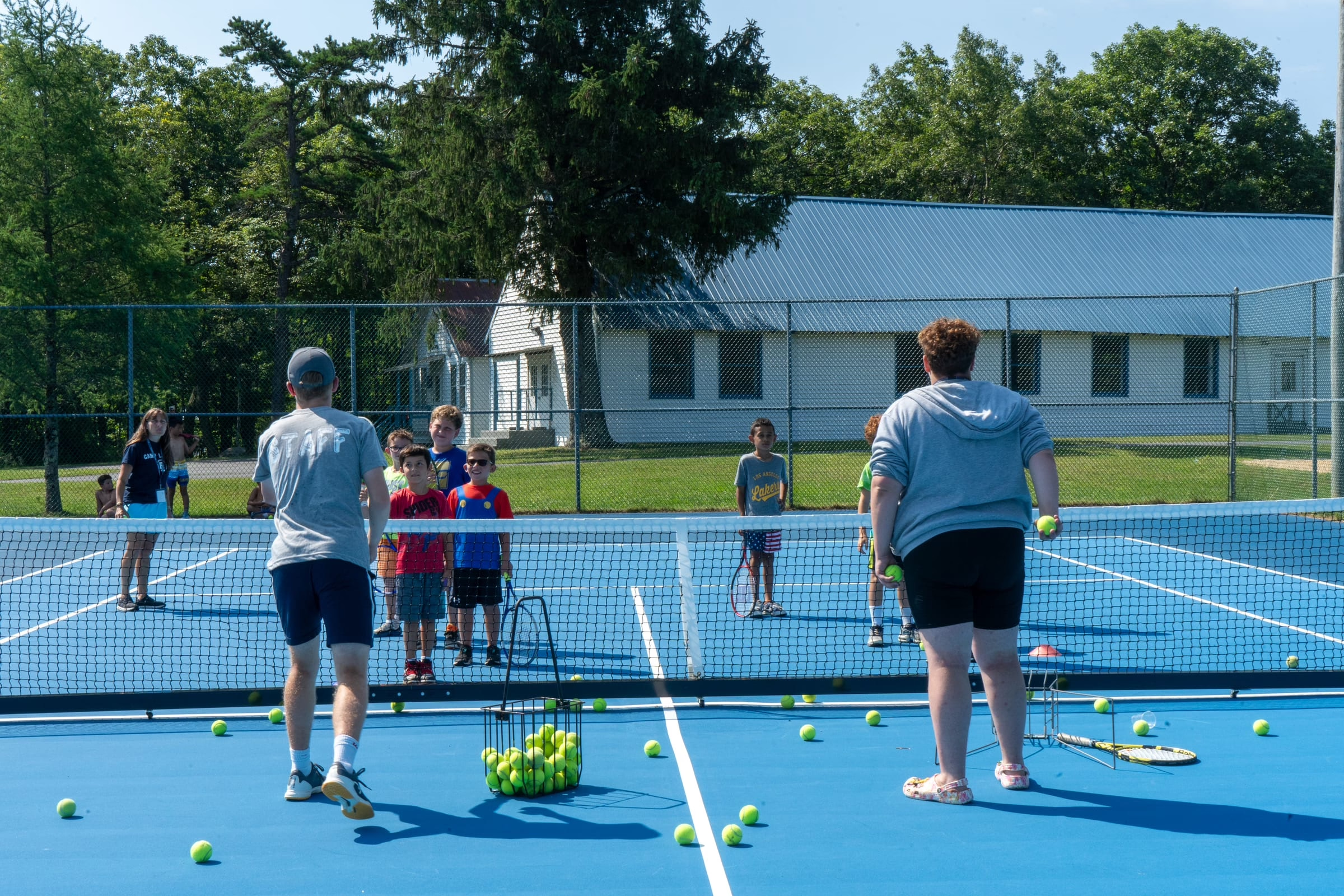
What teens actually need to thrive at sleepaway camp
Parents often start with the activity list. Activities matter-but teen success is more about environment.
Independence (without chaos)
Teens want freedom, but they also do better with structure than they admit. A good camp has:
- clear rules that feel fair
- consistent daily rhythm
- counselors who lead without hovering
A healthy social culture
For teens, camp is largely a social experience. Ask camps:
- how they build inclusion early (especially for first-time campers)
- how they handle conflict and exclusion
- how they create group identity and traditions that teens actually buy into
Night programming (the make-or-break factor)
For teens, evenings are where camp becomes memorable. A strong teen camp has:
- consistent, well-planned night activities
- variety (events, competitions, performances, relaxed hang-time that’s still supervised)
- enough energy to keep teens engaged without feeling forced
The teen-camp checklist: what to ask on tours and calls
Use these questions to compare camps quickly.
1) How are teens grouped by age or grade?
Ask how groups are structured and whether teens have a distinct “older camper” experience. At Camp Lakota, older campers can grow into leadership through our Counselor-in-Training (CIT) program.
2) What does a typical day look like for teens?
Ask for a walkthrough:
- morning routine
- activity blocks (scheduled vs chosen)
- rest or quiet time (if any)
- evening program structure
If you want to understand what a structured camp day can look like, start here:
3) How are counselors selected and trained to work with teens?
Teens can spot inauthentic leadership instantly. Ask:
- how counselors are trained to engage teens
- how the camp sets expectations for behavior and boundaries
- who supervises the counselors and how issues are escalated
4) How does the camp balance independence and supervision?
Ask specifically about the “in-between” moments:
- transitions between areas
- before and after evening activities
- curfew and bedtime routines
5) What happens if a teen struggles socially or emotionally?
The best answer is not “that never happens.” You want to hear a plan:
- who notices the issue
- what support looks like
- how the camp communicates with parents when it matters
Where Camp Lakota fits for teens (NY sleepaway option)
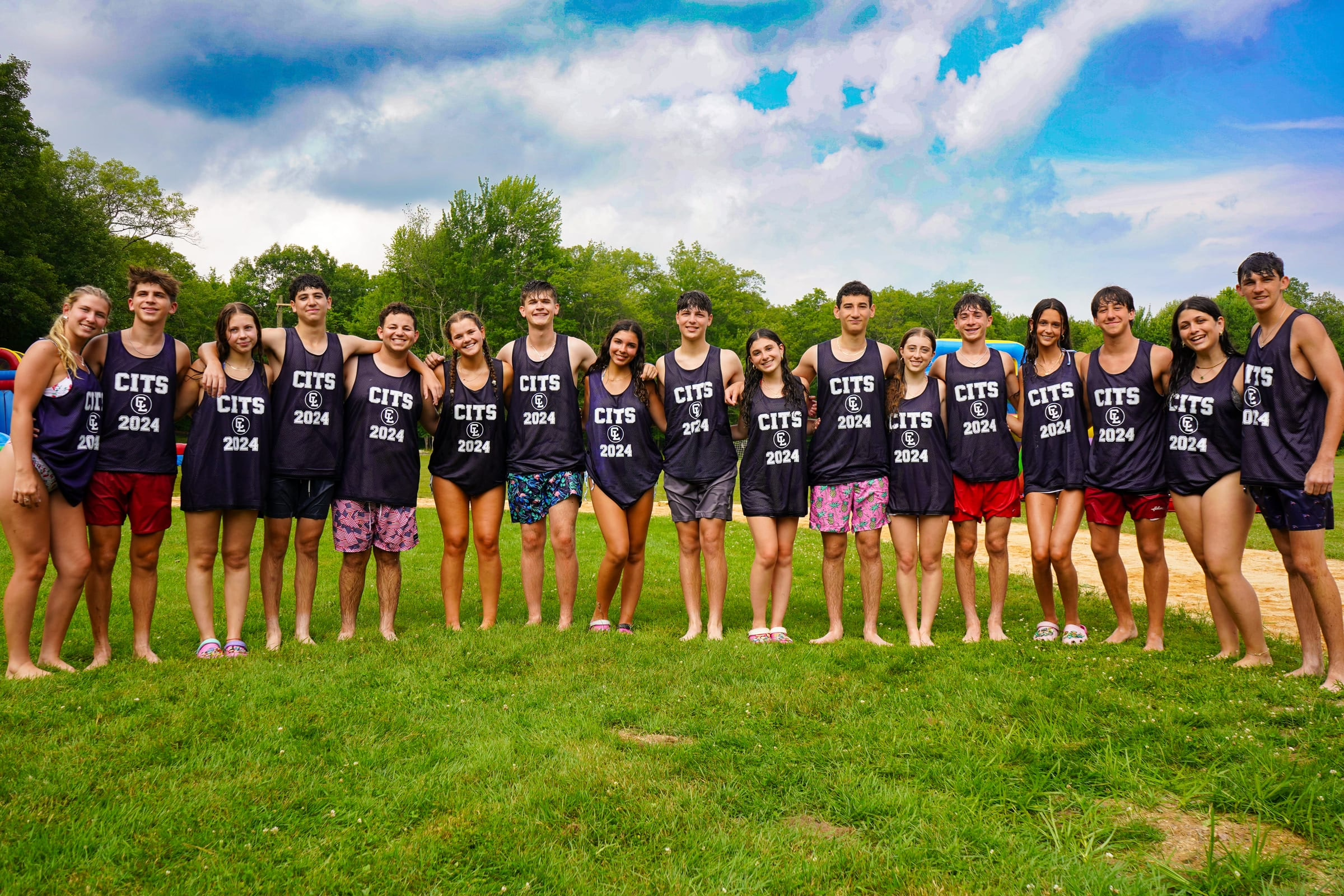
If you’re considering a teen sleepaway camp experience and want a traditional camp environment with community, structure, and nightly events, Camp Lakota is worth comparing. You can also browse our parent’s guide to the best sleepaway camps in the Northeast.
- General sleepaway guide: sleepaway camp overview
- Safety overview: sleepaway camp safety
Dates, tuition, and logistics
Keep pricing and session options anchored here:
Next steps
If you’re deciding whether a sleepaway camp is the right environment for your teen, the best next step is a short conversation about fit.
- Request Info: Request Info
- Visit or Rookie Day: Rookie Day
- Enroll Now (secondary): Enroll Now
FAQs
What age is “best” for teen sleepaway camp?
It depends on readiness and social comfort, not just age. Look for a camp that can explain how it supports first-time older campers.
What should I prioritize most for teens?
Culture + night programming + the balance of independence and supervision. Those factors usually matter more than a long activity list.
Should we visit before enrolling?
If your teen is unsure, visiting can help a lot. Rookie Day is a good option: