


Writing a letter to your camper can be harder than you expect. You miss them, you want to know what they’ve been up to, and you probably have a dozen things you could tell them. But, you also don’t want to make them worry about what’s happening at home.
So what should you write? Keep it simple. Tell them a little about home, ask about camp, share something that will make them laugh, and let them know you’re thinking about them. And yes, you can tell them you miss them; you just don’t need to make them feel bad about being away.
What to Write in a Letter to Your Camper
You don’t need to fill an entire page with news from home. Start with something your camper will recognize, then give them an easy way to tell you about camp.
A simple camp letter can include:
- A funny story from home that will make them laugh
- A light, happy update about a sibling or pet
- A question about their favorite camp activity
- Something you’re proud of them for trying
- A joke, riddle, or silly doodle
- A cheerful reminder that you’re thinking about them
- Something fun you’re looking forward to doing together when they get home
Small details can make a letter feel personal. Keep it light and positive. Tell them things that you know would make them laugh.

Give Them Something Familiar
Your camper may be curious about what’s going on at home, but they don’t need a full play-by-play of everything they’ve missed.
Pick one or two things they’d actually enjoy hearing about. Maybe the dog has developed a new habit, their sibling finally learned to ride a bike, or the garden is looking better than expected. Little things can be more fun to read about than a long list of weekend plans.
The same goes for family news. If something happened that would make your camper laugh or remind them of home, tell them. Save the details about the exciting things they’re missing for another time. Right now, you want the letter to make home feel familiar without making camp feel like something they should be missing out on.
Ask Specific Questions About Camp
“Are you having fun?” is easy to ask, but it doesn’t give your camper much to work with.
Try questions that help them tell you a story instead:
- What’s been your favorite activity so far?
- What was the funniest thing that happened today?
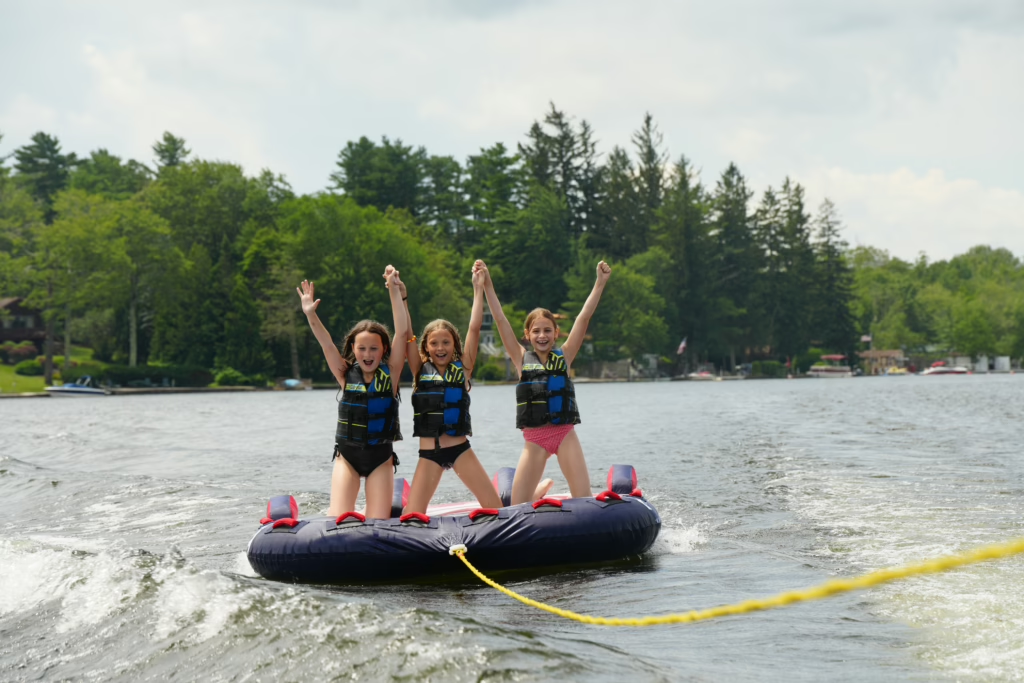
- Have you gotten up on water skis on Masten Lake yet?
- Have you tried horseback riding or anything else new?
- What’s your favorite part of your bunk?
- Who have you been spending time with?
- What’s the best thing you’ve eaten at camp?
- If you could do one activity again tomorrow, what would you pick?
Specific questions can make it easier for your camper to write back, too.

What to Say When You Miss Your Camper
It’s completely normal to miss your child while they’re at camp. You can tell them that, but the important part is how you frame it.
Camp Lakota encourages families to keep communication warm, confident, and focused on the camper’s experience rather than emphasizing how difficult the separation is for parents.
You can say you miss them without making them feel like they need to come home.
Try saying:
“We miss you, and we’re thinking about you! Everything is just fine at home, so keep having fun and enjoying camp. We can’t wait to hear all about your adventures when you get home!”
“Sending you a big hug from home and hoping you’re having a great time at camp, enjoying your favorite activities, laughing with your friends, and making the most of every day!”
“We’re cheering you on from home and are so proud of you for taking on sleepaway camp, trying new things, and making the most of this experience!”
The message is simple: “I miss you, I love you, and I’m happy you’re having this experience.”
6 Copy-and-Paste Letter Openers
Sometimes the hardest part is simply getting started. If you’re staring at a blank page, use one of the templates below; just put it at the top of your letter, and finish it in your own words.
1. The Home Update
Hi [Camper’s Name]!
We hope you’re having a great time at camp! Things are going well here, and we have a few little updates to share with you. [Add a funny or interesting story from home.] We thought you’d love to hear about it!
2. The Camp Question
Hi [Camper’s Name]!
We’ve been thinking about all the fun you’re having at camp and have a few questions for you. What’s been your favorite activity so far? Have you tried anything new? And what’s one thing you hope to do again before you come home?
3. The Funny One
Hi [Camper’s Name]!
We have a story for you! [Tell your funny story.] We couldn’t wait to tell you about it, and we’re pretty sure you’re going to laugh when you hear what happened. We hope you’re having just as much fun at camp!
4. The Proud Parent
Hi [Camper’s Name]!
Just a little note to tell you how proud we are of you. We love hearing about everything you’re trying at camp and all the new experiences you’re having. Keep being curious, keep trying new things, and keep having fun. We’re cheering you on from home!
5. The “We Miss You” Note
Hi [Camper’s Name]!
We miss you and have been thinking about you! We hope you’re having an amazing time at camp and making lots of great memories with your friends. Everything is going well at home, so don’t worry about a thing. Keep having fun, trying new things, and enjoying every minute.
6. The Camp Memory
Hi [Camper’s Name]!
We’d love to hear about one of your favorite moments from camp so far. Maybe it’s something funny that happened in your bunk, a new activity you tried, or a moment that made you smile. Tell us about one thing you hope you’ll remember from this summer!
You don’t have to stick to these word for word. Add a family joke, mention something your camper loves, or ask about something you know they’ve been looking forward to. The best letters will sound like you, so use these openers as a starting point and take the conversation from there.

What Not to Write in a Camp Letter
A letter should help your camper feel connected to home, not responsible for how everyone at home is doing.
Don’t Make Them Feel Guilty for Being Away
Try not to fill the letter with reminders about how much everyone is struggling without them.
Don’t include things like:
“We miss you so much. The house is so quiet without you, and even the dog is sad.”
“Everyone misses you so much. Things just aren’t the same without you here.”
“We’re counting down the days until we can have you back.”
You can miss your camper. Just keep the focus on reassurance rather than guilt.
Don’t Give Them a List of Everything They’re Missing
If your family has a big dinner, weekend outing, or special event planned, think about how the details might make your camper feel.
A small update from home is fine. A detailed description of everything they’re missing can make a fun camp experience feel like they’re being left out.
Don’t Ask If They’re Homesick
“Are you homesick?” may seem caring, but it can plant that idea in their head when they’re busy enjoying their day.
Instead, ask about what they’re doing.
Try:
“What’s been your favorite part of camp this week?”
“What’s something funny that happened today?”
If homesickness does come up, our guide on how to deal with homesickness at summer camp explains how we support campers through it.
A Full Example of a First Letter to Sleepaway Camp
If this is your child’s first time at sleepaway camp, the first letter can feel like the hardest one to write. You may want to tell them everything that’s happened at home, ask about their day, and make sure they know how much you’re thinking about them.
You don’t have to cover everything in one letter. Keep it simple, share something that will make them smile, ask about what they’ve been doing at camp, and remind them how proud you are of them.
Here’s a full example you can use as a starting point:
Hi Emma!
We hope you’re having a great time at camp! Things are going well here, and we have a quick update to share. Max somehow got his head stuck in the empty cereal box this morning and walked around the kitchen like that until Dad noticed. We thought you’d get a laugh out of it, so we had to tell you!
We hope you’re having just as much fun at camp. What have you been up to? Have you tried any new activities? What’s been your favorite so far? We’d love to hear about the funny things happening in your bunk, the friends you’ve been making, and anything you’ve done that you didn’t expect to enjoy.
And please know that everything is just fine here, so you don’t need to worry about home. You have plenty to enjoy at camp, so go have fun, try something new, and make the most of your days there.
We are so proud of you for taking on your first sleepaway camp experience. It takes courage to spend your first summer away from home, and we’re so proud that you decided to give it a try.
Keep having fun and enjoy every minute! We hope you have another great day tomorrow and get to do something that makes you smile.
We love you so much!
Love,
Mom, Dad, and Max 🐾

How Mail Works at Camp Lakota
Camp Lakota offers several ways for families to stay connected while campers are at camp.
Sending a Letter to Your Camper
Traditional mail is still one of the simplest ways to send your camper a little piece of home, and at Camp Lakota it’s a tradition families have kept alive for over 90 years. Mail is handed out daily and is often one of the highlights of a camper’s day, so send letters early and often all summer long.
For summer mail, address it to:
[Camper’s Full Name]
Camp Lakota
56 Park Road
Wurtsboro, NY 12790
Be sure to include your camper’s name so the letter can be sorted to the right bunk.
Camp Lakota also recommends packing stamps and pre-addressed envelopes in your camper’s trunk before they leave, so they can write back to you too. There’s something special about the back-and-forth of camp letters.
Sending a Bunk Note
If you prefer to send your message electronically, Camp Lakota families can use their Bunk1 account.
Through the Bunk Note feature, parents can send unlimited notes to their campers. These aren’t delivered digitally. They’re printed daily, folded, and hand-delivered with the regular mail, so it still feels like getting a real letter. You can also set up a Guest Account so grandparents, aunts, uncles, and family friends can send notes directly to your camper.
Keep in mind that campers can’t reply by email, so pack plenty of stationery and stamps if you’d like letters in return.
What About Care Packages?
Care packages are a wonderful way to let your camper know you’re thinking of them, but check Camp Lakota’s policy before you pack one.
Food is not permitted in the bunks, so any food included in a package won’t be delivered. Please stick to non-food items. Great options include puzzles and games, magazines and books, photos from home, letters, and stamps and envelopes so they can write back.
For the full rundown on mail, bunk notes, phone calls, and daily photos, see our complete guide on staying connected to your camper.

How Often Should You Write to Your Camper?
You don’t need to write a long letter every day. Some parents like to prepare several letters before camp starts so their camper has mail waiting during the first few days. Camp Lakota specifically recommends writing letters in advance and sending your child with stamped, addressed envelopes.
You can also use Bunk Notes when you want to send a quick message without waiting for traditional mail. Bunk Notes are delivered with the daily mail at camp.
The goal isn’t to keep your camper constantly connected to home. It’s to give them a reassuring reminder that you’re thinking about them while they’re busy enjoying camp.
Why Early Letters Matter
Those first few days are when a letter means the most. To help campers settle smoothly into camp life, Camp Lakota campers hold off on phone calls home during the first week, then have one call per week after that. Because of that, letters and bunk notes are your main line of connection early on, so a note waiting at the very first mail call, and a few more sent in the opening days, can make a real difference as your camper adjusts.
Don’t Worry About Writing the Perfect Letter
Your camper isn’t expecting a perfectly written essay.
A few sentences can be enough. A joke can be enough. Even a quick “Thinking of you! Have a great day!” can be enough. What matters is that they hear from you.
Ready to Make This Summer One to Write Home About?
At Camp Lakota, every letter home is filled with new friends, new activities, and memories made on the shores of Masten Lake. If your family is ready to give your child a summer worth writing about, we’d love to help you take the next step.
- New to Lakota? Request more information, and we’ll help you find the right fit for your camper.
- Ready to enroll? Reserve your camper’s spot for our 3-week or 6-week session.
Have questions? Give us a call at 845-888-5611. Our team would be happy to introduce your family to ours.