


A summer camp can become part of a family’s story long after the last day of summer. At Camp Lakota, that idea is especially meaningful. The camp has been family-owned for more than 100 years, and the people who lead it have their own deep connections to the place.
Dr. Bruce Mindich was a Lakota camper before becoming its owner. His daughter, Hannah, grew up at camp before returning as a director. Other members of the Lakota community have met their spouses here, returned as staff, and brought their own families back to Masten Lake.
That history is part of what makes Lakota feel like a family camp. But the Lakota family isn’t limited to the people who have been here for decades. It includes the families discovering camp for the first time, too.
The Owner Was a Lakota Camper First
Long before he owned Camp Lakota, Dr. Bruce Mindich was a camper here.
He was also a counselor and later the camp doctor. By the time his family purchased Lakota in 1985, he already knew the camp from nearly every perspective. He had spent his own summers on the grounds, worked with campers, and cared for them as a physician.
When the family bought the camp, the headline of their first advertisement said it plainly: “We loved it so much, we bought it!”
That history helps explain the personal connection the Mindich family has to Lakota. They didn’t discover the camp when they purchased it. They already knew what it meant to be part of the community.
More than four decades later, that connection continues to shape the way the family approaches camp.
Growing Up at Camp Lakota
The next generation of the Mindich family grew up with Lakota, too.
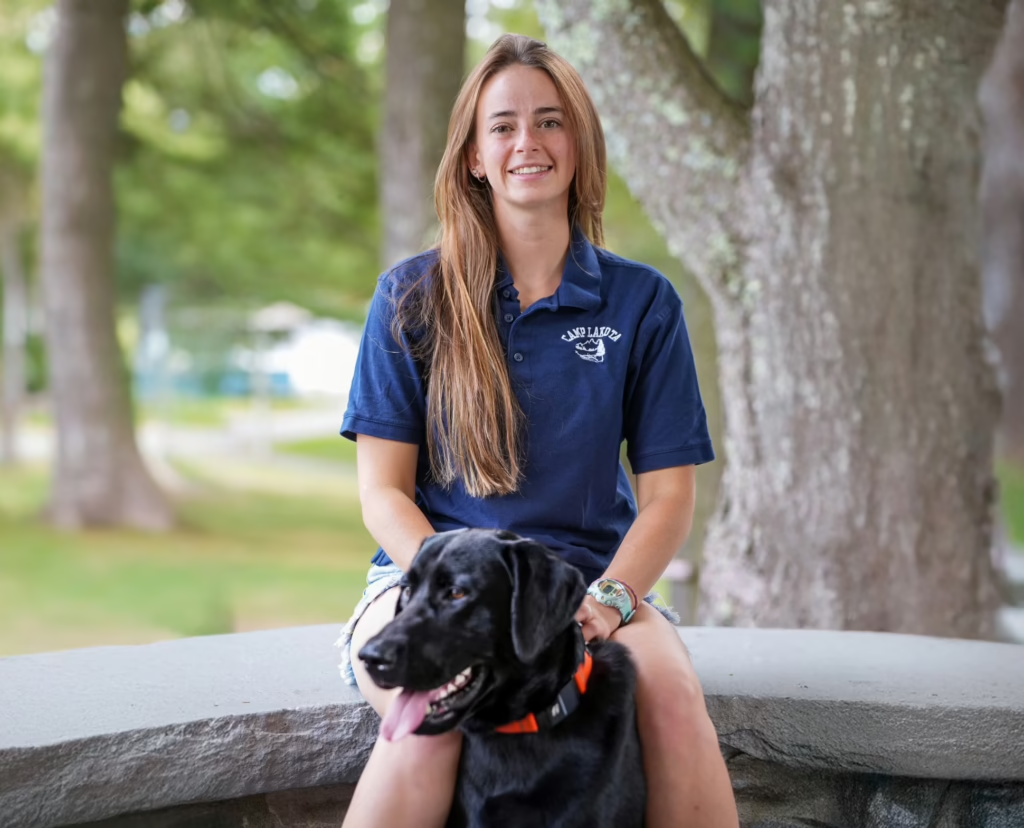
Hannah Young first came to camp at four years old, following her father as a second-generation Lakota camper. She spent 12 summers here, growing up on Masten Lake and taking part in the traditions that have become part of the Lakota experience.
Eventually, Hannah returned to camp as a full-time director, working alongside her father.
For families considering a first summer at Lakota, that connection is meaningful. When Hannah talks with parents about camp, she isn’t only speaking from her experience as a director. She remembers what it was like to be a young camper here, too.
She knows the excitement of arriving for the summer, the routines of camp life, and the traditions that campers look forward to each year.
That’s one of the things that makes a family-run camp different. The people caring for the community have often experienced it themselves.
When Camp Becomes a Family Tradition
Hannah’s story isn’t unusual at Lakota, and it isn’t only a Mindich family story.
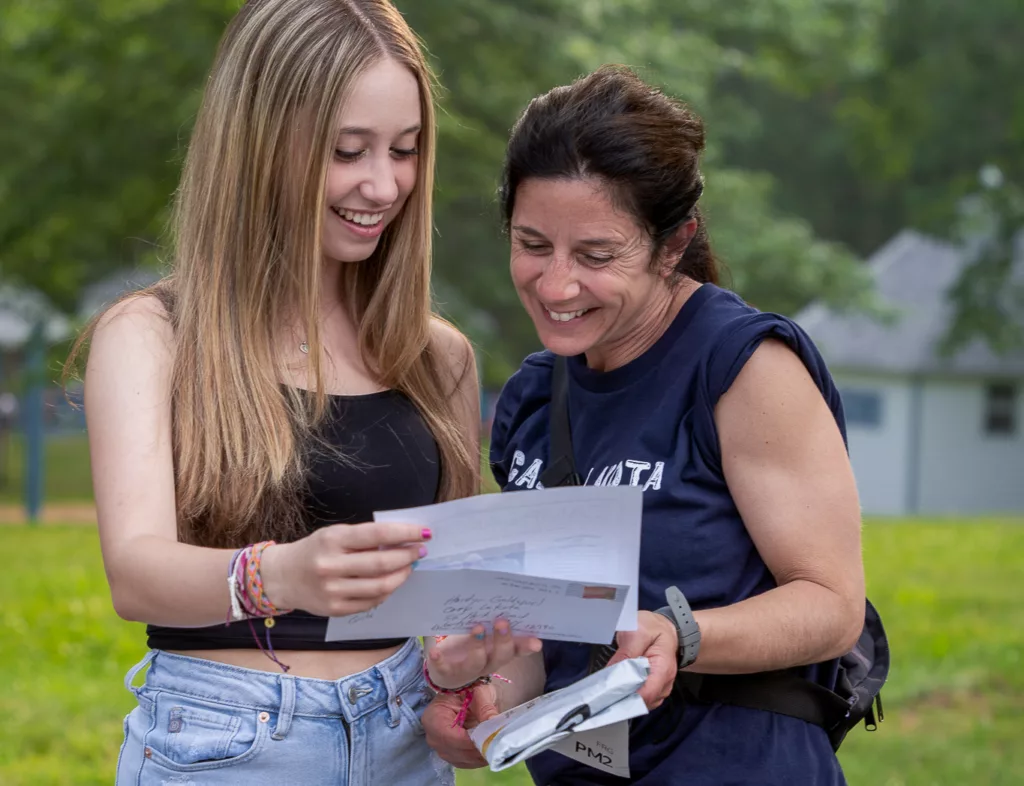
Danielle Goldspiel, also a director at Lakota, first came to camp at age 10 with her younger sister. Their mother had her own fond memories of Lakota, which helped introduce the girls to the camp.
During that first summer, Danielle met Mike, another 10-year-old camper. They returned to Lakota for the next 11 summers and eventually married in 2003.
Mike’s parents had also met at Lakota.
Stories like this show how a summer at camp can become part of a much bigger family story. A friendship that can last for decades. A camper can return as a counselor. Parents who once spent their own summers at Lakota can eventually send their children.
Over time, those individual stories become part of the larger Lakota community.

What Family Ownership Looks Like at Lakota
Family ownership isn’t just something written on the website. At Lakota, it is reflected in the people involved with the camp and the way they approach the community.
The people making decisions know camp firsthand. The Mindich family has spent decades at Lakota as campers, staff, directors, and owners. That experience gives them a personal understanding of the camp and its community.
Returning staff bring familiarity. Counselors and directors who come back year after year become familiar faces for campers and families. That continuity helps create a community where relationships can grow over multiple summers.
Traditions have a history. Camp traditions such as Sing Night and College Olympics aren’t simply activities on a schedule. They have been experienced by generations of campers and staff, giving them a place in Lakota’s story.
The community feels personal. At a family-owned camp, the people leading the camp are closely connected to the place and the families who spend their summers there.
These things don’t happen overnight. They are built through years of people returning, relationships lasting, and families choosing Lakota again.

A Community That Keeps Growing
After more than a century, Camp Lakota has welcomed thousands of campers to its 200-acre home on Masten Lake. The camp has grown and changed over the years, adding new facilities, activities, and programs while continuing to build its community around friendship, tradition, and time spent together.
Some Lakota families have been part of that story for generations.
Others are just beginning.
For a first-time family, there does not need to be a family history at Lakota to feel connected to the community. Every camper starts somewhere. The first summer can be the beginning of new friendships, new traditions, and memories that become part of the family story for years to come.

The Future of the Lakota Family
The story of Camp Lakota is still being written.
Today’s campers are becoming tomorrow’s counselors, leaders, alumni, and parents. Some may return years from now with families of their own, just as other Lakota families have done before them.
That is the beauty of a camp tradition. It can begin with one summer and continue far beyond it.
For the Mindich family, caring for Camp Lakota means carrying forward a place that has already touched generations of campers. For longtime Lakota families, it means returning to a community filled with familiar traditions and memories. And for future Lakota families, it means there is still a place waiting for them to become part of the story.
After more than 100 years, the Lakota family is still growing. The next chapter may be just beginning.
Ready to Become Part of the Lakota Family Story?
If Camp Lakota sounds like the kind of place where a first summer could become a family tradition, come see what camp is all about. Learn more about Camp Lakota or request information to start a conversation with the team.