

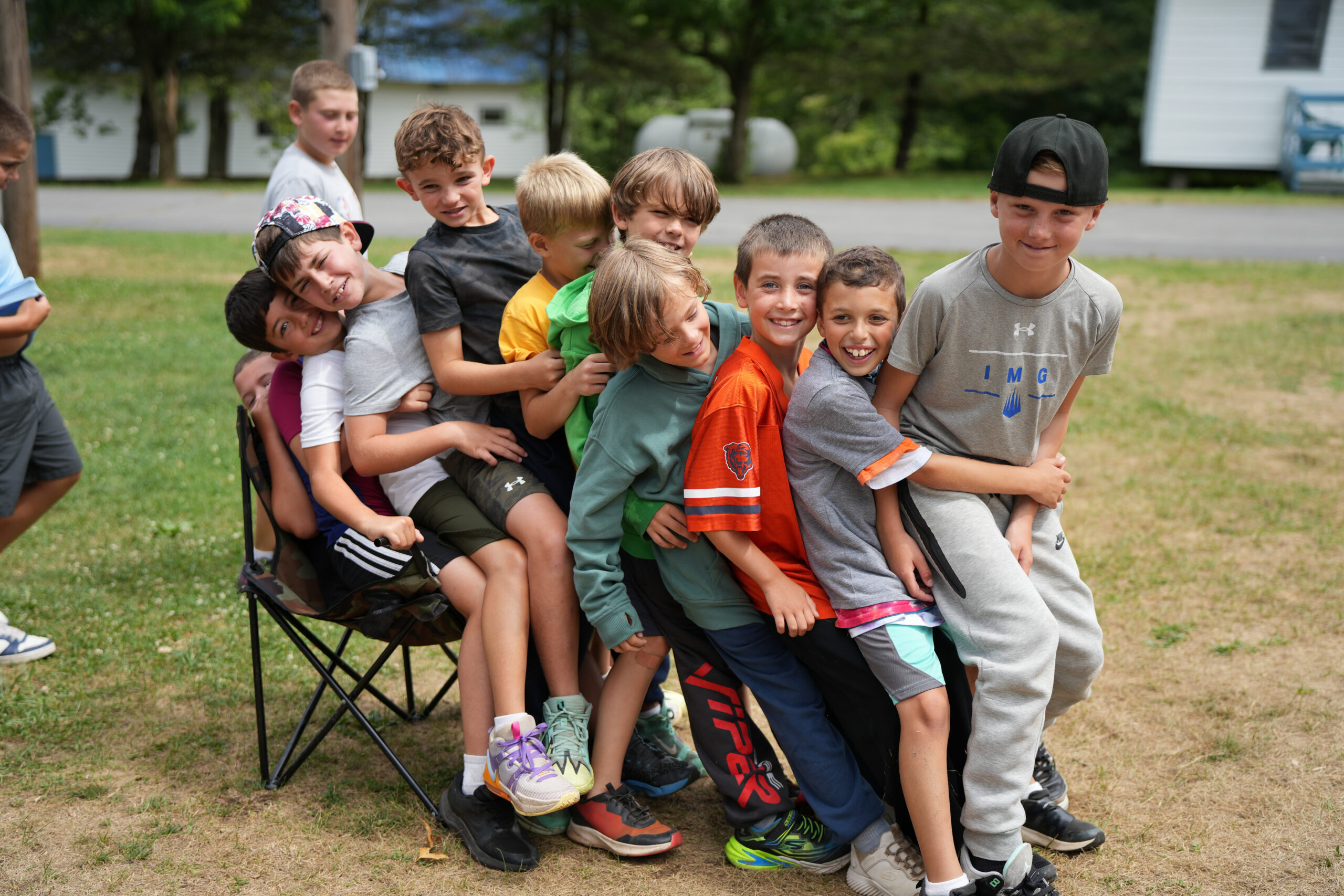
Most parents see summer camp as a fun experience for their kids, and it is, but what kids bring home goes far beyond memories and stories. One of the most meaningful outcomes of summer camp is something less visible at first glance: social growth.
When kids step into camp life, they are not just trying new activities. They are learning how to live alongside other people in a very real, very constant way. No phones. No retreating into a room alone. Just shared days, shared challenges, and shared moments.
That kind of environment naturally shapes how kids communicate, solve problems, and connect with others. It is one of the reasons a social skills summer camp experience tends to feel so different from school or sports teams.
Here is a closer look at what that growth actually looks like, and the seven social skills kids build at camp without even realizing it.

Summer Camp is One of the Best Environments for Social Growth
At camp, kids wake up, eat, play, and unwind in the same community every day. That consistency matters. It creates space for real relationships to form without the stop-and-start rhythm of a typical school day.
Unlike school, there is no academic pressure shaping how kids relate to each other. Without grades, tests, or competition hanging over them, kids tend to relax into who they are. That makes it easier to talk, try new things, and connect with others in a genuine way.
In this kind of setting, social learning happens constantly. Kids who attend summer camp make significant social skills gains that hold up months after the session ends. At Camp Lakota, counselors are trained to help kids connect in healthy ways, especially those who are nervous or attending for the first time.
The 7 Social Skills Kids Build at Summer Camp
Social skills are not taught through formal lessons at summer camp. They are built naturally through everyday camp experiences. Here are seven of the most important social skills kids develop at camp:
1. Communication
Kids talk more at camp than almost anywhere else. Not through screens or messages, but face-to-face conversations throughout the day.
They learn to express themselves clearly with their bunkmates, ask questions with counselors, and speak up in group settings. For many children, this is the first time communication feels constant, but low-pressure.
Over time, that repetition builds confidence in how they speak and how they listen.
2. Conflict Resolution
Disagreements are inevitable when kids live and play together all day; someone wants the top bunk, someone else feels left out, or two friends want to do different activities.
Instead of avoiding conflict or escalating it on their own, campers learn to work through these moments with guidance from counselors. They practice apologizing, compromising, and moving forward.
These are small moments, but they shape how kids handle relationships long after camp ends.

3. Empathy & Emotional Awareness
Living in close quarters helps kids notice how others are feeling. A bunkmate who is homesick. A friend who is quieter than usual. A teammate who is frustrated after losing a game.
At camp, kids start to recognize these emotional shifts more naturally. They learn to check in, offer support, and respond with care.
This kind of emotional awareness is one of the quiet but powerful parts of social skills gained through camp experiences.
4. Teamwork & Cooperation
Very little at camp is done alone. From group games to cabin clean-up to evening activities, kids are constantly working with others.
They learn how to contribute to something bigger than themselves. Sometimes that means leading, and other times it means following. Both matter in the big picture, and kids learn to balance each during their time at summer camp.
5. Friendship Making
One of the most meaningful parts of camp is how quickly friendships form. Kids arrive not knowing anyone, then find themselves laughing with bunkmates within days.
They are bonding over shared experiences, not shared history, which levels the playing field in a way that feels fresh for many children.
We often hear from families that their child makes at least one strong new connection each summer, and those friendships built at camp often last long after the session ends.

6. Leadership & Confidence
Camp gives kids chances to lead. Maybe it’s calling out instructions during a team activity. Maybe it’s being the one who figures out what to do next on a hike. Maybe it’s standing up in front of the whole camp during a performance and realizing afterward that it wasn’t as terrifying as they thought it would be.
These moments matter. The low-stakes, supportive environment lets kids take initiative without the fear of a grade or judgment that will follow them around. That’s a big part of how sleepaway camp builds confidence in a way that’s hard to replicate elsewhere.
7. Inclusivity & Respect for Others
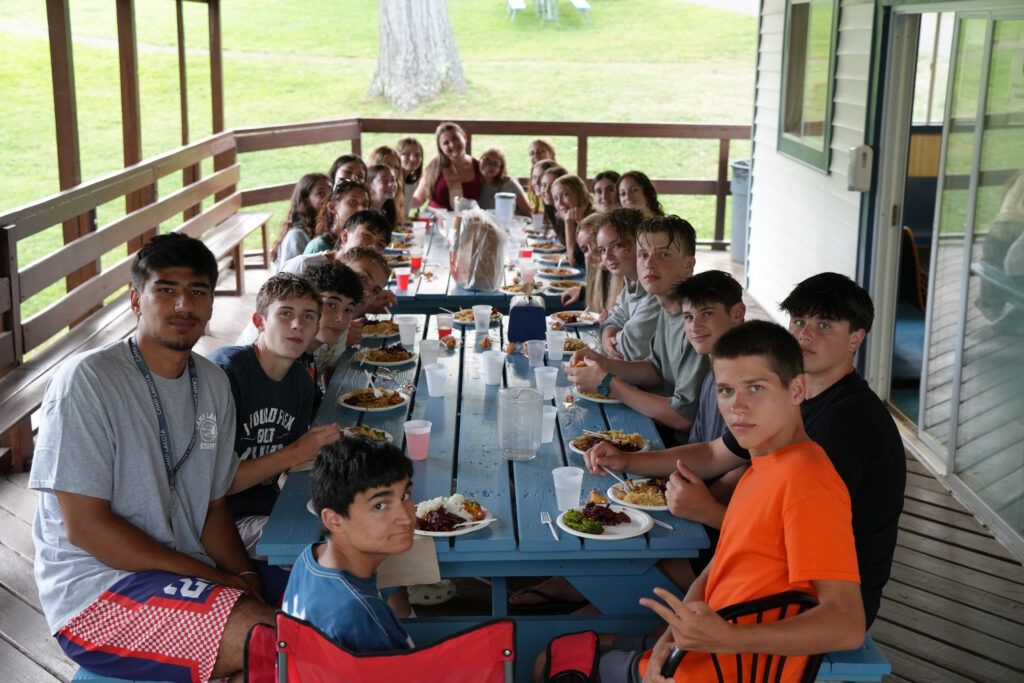
Camp is a genuinely mixed community. Kids come from different schools, neighborhoods, family backgrounds, and parts of the city or region. They share a bunk, a table, a schedule.
That proximity teaches something important: you don’t have to have everything in common with someone to get along with them, to enjoy them, to include them. Kids who spend summers at camp tend to carry that openness into the rest of their lives because they’ve practiced it.

How These Skills Show Up After Camp
When kids return home, the changes are often subtle at first. Then they become impossible to miss. Parents often notice things like:
- More confidence in social settings. Kids are more willing to start conversations or join new groups without hesitation.
- Better handling of friendships and disagreements. They are less reactive and more thoughtful when conflict comes up.
- Stronger empathy toward others. There is a noticeable shift in how they notice and respond to people’s feelings.
What is important here is that the growth does not stay at camp. It carries into the school year, into friendships at home, and into how kids see themselves in a group. For many families, this is the part that makes camp feel less like a summer activity and more like a long-term investment in their child’s development.
If you’re still weighing whether your child is ready for this kind of experience, our guide on camp readiness can help you think it through.
How Camp Counselors Support Every Camper’s Social Growth
Kids do not build these skills alone. The environment matters, and so does the support system around them. Camp counselors help by:
- Creating a safe space where kids feel comfortable being themselves
- Encouraging connection through shared activities and group routines
- Guiding conflict when needed, without taking over the situation
- Giving kids the space to try social risks, like introducing themselves or joining a new group
The goal is not to do social learning for them. Instead it is to create the conditions where it can happen naturally.At Camp Lakota, counselors provide consistent support, particularly to first-time campers, helping to make their transition feel less overwhelming.

Every Summer at Camp Is a Step Toward a More Confident, Connected Child
Camp is not just about keeping kids busy for a few weeks; it is about giving them a place where they can grow socially in a way that feels natural and lasting.
Every summer adds something. More confidence. More awareness of others. More ease in friendships and group settings.
For many children, that growth becomes part of who they are long after the bags are unpacked.If you are thinking about camp for your child, you can explore our upcoming sessions or reach out to our team with any questions. We are here to help you figure out what feels right for your family and your child’s experience!