

Every summer, campers arrive at Camp Lakota, and some of them come from around the world. They come for the same reasons every camper does, the lake, the friendships, the freedom of a summer spent outdoors, and they leave with something extra: a real immersion in American camp life and English practiced all day long without a classroom in sight.
Wherever your family is coming from, you’ll find a place at Camp Lakota.
Find out how a summer at Lakota works for a family traveling from abroad, from booking flights to staying in touch across time zones. If a question isn’t answered here, please call us. We’d genuinely rather hear from you than have you wonder.
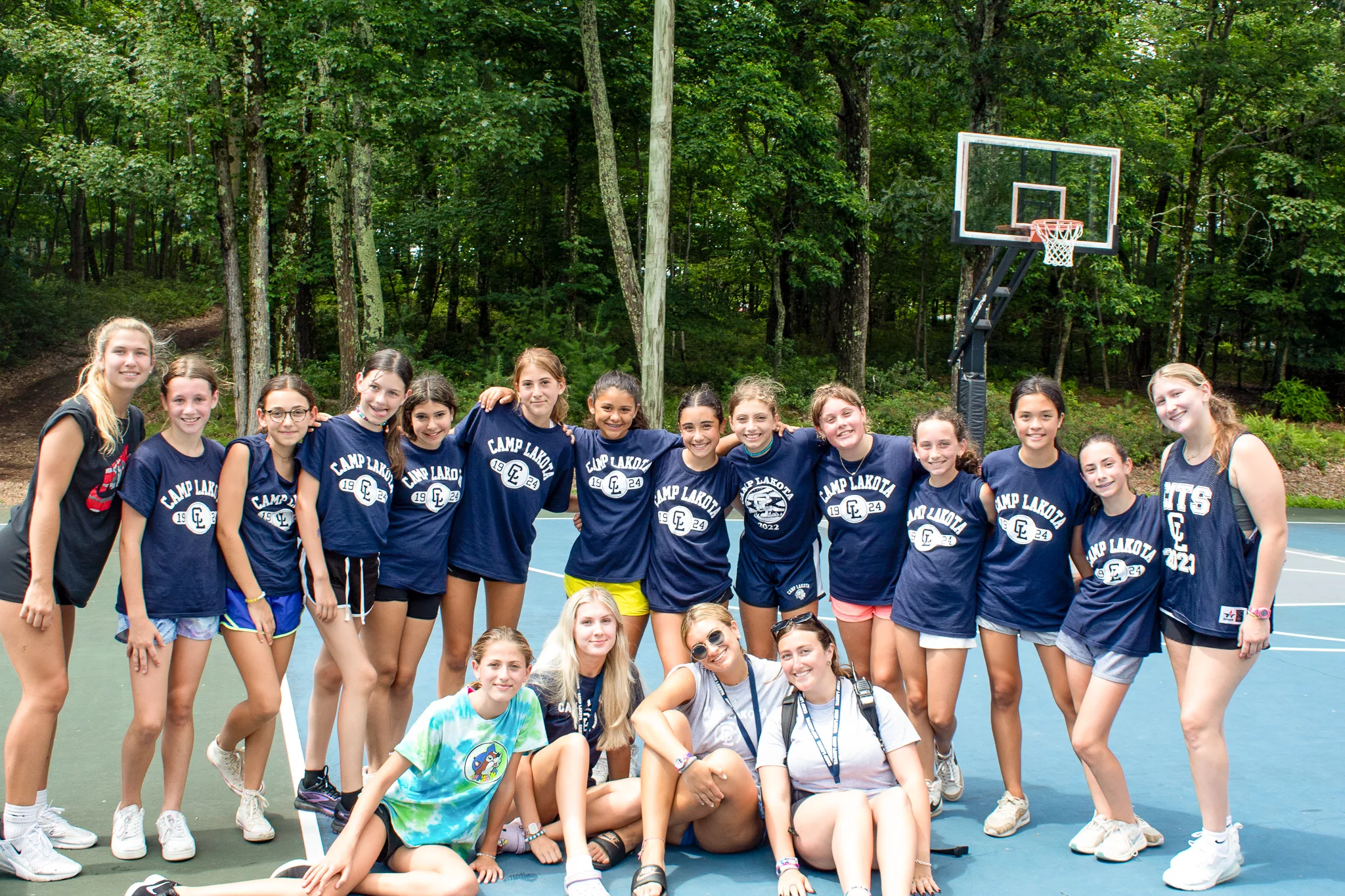
Camp Lakota is a co-ed sleepaway camp on Masten Lake, in the Catskill Mountains of New York. We were founded in 1924, which means we’ve been doing this for over 100 years, long enough that we now welcome the grandchildren of campers who once slept in these same bunks.
We’re not far from New York City, close enough to reach easily from a major international airport and far enough to feel like a true escape.
Our size matters more than families expect. At a camp of a few thousand, a child arriving from another country can disappear into the crowd. At Lakota, the head of the waterfront knows your camper’s name by the second day, so does the person serving lunch.
Everything at Lakota is built on four things: sharing, integrity, responsibility, and respect. They aren’t posted on a wall somewhere and forgotten. They show up in how a bunk decides who gets the top bed, in how a counselor handles a bad afternoon, and in the way a camper who’s brand new to the country gets pulled into a soccer game without anyone making a thing of it.
Camp Lakota offers two session lengths, each built for different types of campers.
Open to all age groups. For families traveling internationally, this is usually the more practical choice. It’s one set of flights instead of two, and six weeks gives your child the time to move past the newness and into the part where camp starts to feel like their own.
Designed for younger and first-time campers in Grades 1 through 5.
One piece of advice we’d give every international family: confirm your session dates before booking flights or beginning a visa application. Both take longer than most families plan for, and both are much easier to sort out with a firm date in hand.


The lake is the center of everything here. Masten Lake is our own, and it means water sports aren’t a once-a-week trip; they’re part of the ordinary rhythm of a Lakota day.
On the water: waterskiing, tubing, swimming, and our full water sports program. Every camper takes part in the American Red Cross swim program and earns a certification card to bring home.
Athletics: soccer, baseball and softball, lacrosse, basketball, tennis, pickleball, beach volleyball, street hockey, GaGa, and skateboarding. Campers who want to compete can represent Lakota in intercamp games against other camps. Our facilities include a full basketball complex with a professional scoreboard, seven all-weather tennis courts, four new pickleball courts, five beach volleyball courts, and a skate park.
Outdoor adventure: a high ropes course and zip-line, a giant swing, a climbing wall, a low ropes course, hiking trails through the Catskills, and our Nature Shack for hands-on outdoor skills and wildlife exploration. All safety equipment is provided, and campers progress at their own pace.
Riding, golf & gymnastics: horseback riding on campus, golf, and gymnastics.
Creative arts: pottery, painting, tie-dye on the College Hall porch, candle and soap making, leather stamping, beading and jewelry making, and friendship bracelets. Our dramatic arts program includes a full play or musical every summer, plus dance, a talent show, improv, and camp skits. No experience needed, and no auditions that turn anyone away.
Special activities: go-karts, archery, rocketry, martial arts, garage band, Fun with Foods, journalism and the camp blog, mountain biking, and overnight camp outs.
Evenings: Evening programming and night activities are a real part of the schedule, not an afterthought tacked onto the end of the day. Ask any camper what they remember most and you’ll usually hear about something that happened after dinner.
Campers live in cabins we call bunks, with 8-15campers and 1-3 counselors in each.
Bunk life is where most of the real learning happens, living alongside other kids, sorting out disagreements, figuring out how to be a good roommate. It’s also where friendships form fastest.
International campers are placed in bunks alongside American campers. For many families, that immersion is a large part of why they choose an American camp, and we think it’s the best thing we can do for a camper’s English. It also means nobody spends the summer in a separate group looking in.
Laundry is handled on premises. It’s picked up once a week, washed, dried, folded, and returned within 24 hours, which, for a family packing into a suitcase, is genuinely useful news.
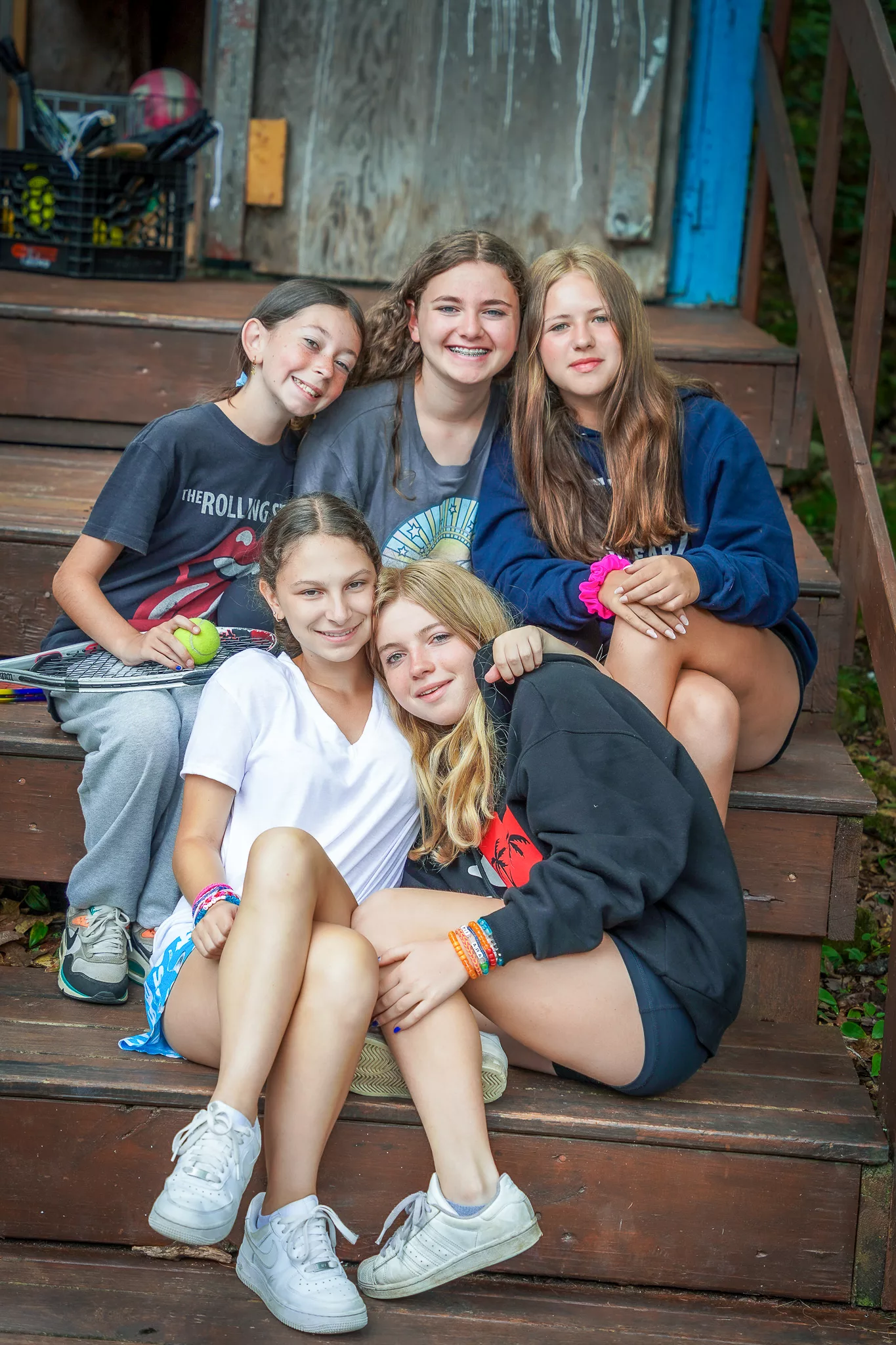
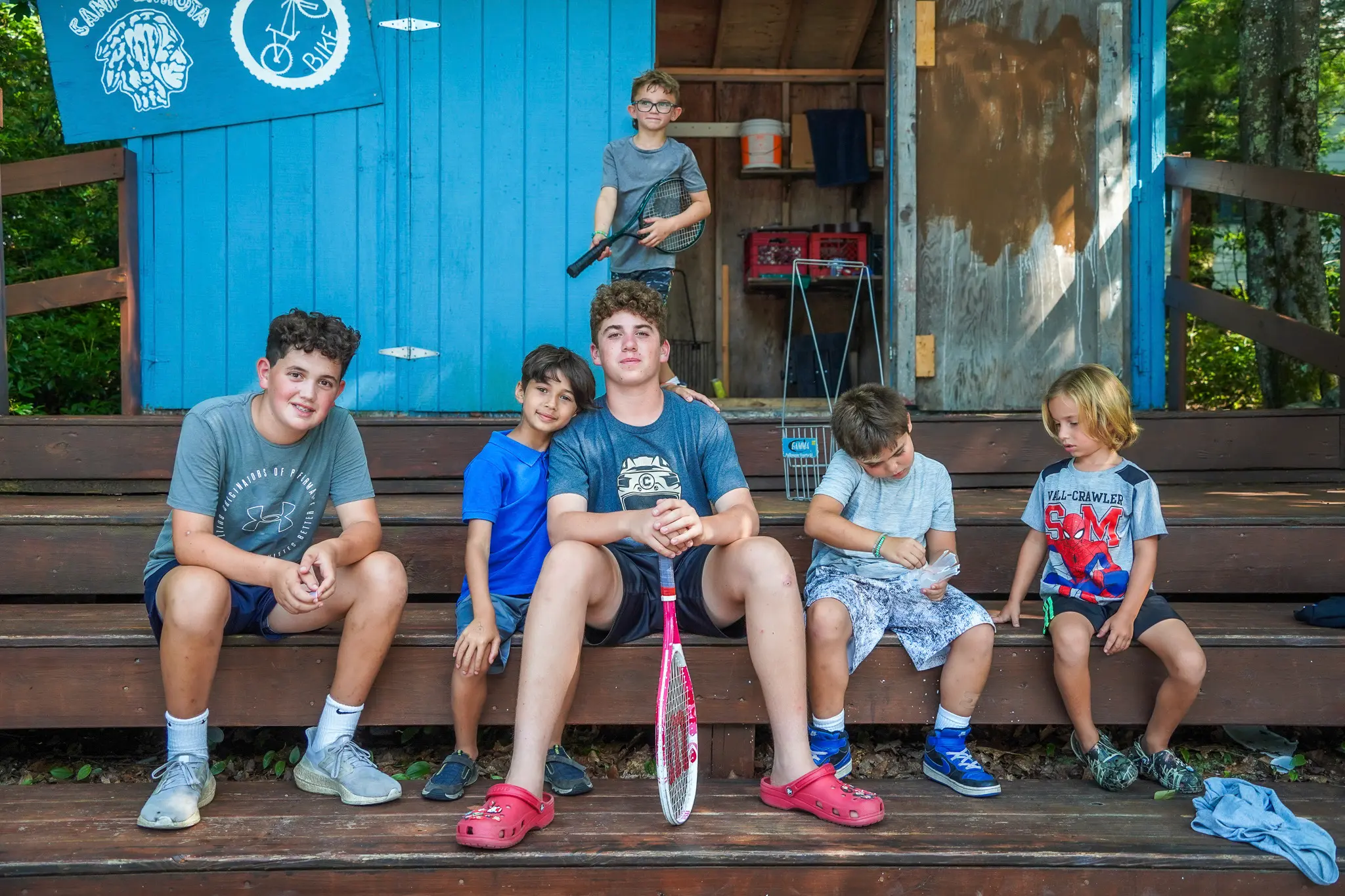
Camp Lakota runs in English. Campers don’t need to be fluent to have a wonderful summer, but they should be comfortable enough to follow instructions and ask for help when they need it.
What we’ve found is that camp teaches language differently than school does. A camper picks up “your turn” on the waterski dock faster than in any classroom, because there’s a reason to know it right that second. Kids share an activity before they share a vocabulary, and the words follow.
It’s normal for the first few days to feel like a lot. New country, new food, new people, all at once. Most campers find their footing within the first week, and the counselors here have walked plenty of kids through exactly that.
We’re not immigration advisors, and visa decisions rest entirely with the U.S. Department of State, but we can tell you what we’ve seen work and what most families need to know before they start.
For current view requirements, please refer to travel.state.gov or your local U.S. embassy or consulate. We’re glad to answer what we can and to provide documentation, but please confirm the specifics with them directly.
The nearest airports to Camp Lakota are:
If you’re traveling with your child to the U.S., you’re welcome to bring them to one of our bus pickup locations in the New York or New Jersey area.
Booking flights: Most major airlines offer unaccompanied minor services, though age rules and fees vary by carrier. Arrange this at the time of ticketing rather than afterward, when it becomes much harder to add.
Packing for camp is different when you’re working within a luggage allowance. A few things that help:
Here are a few specific things to keep in mind when packing:

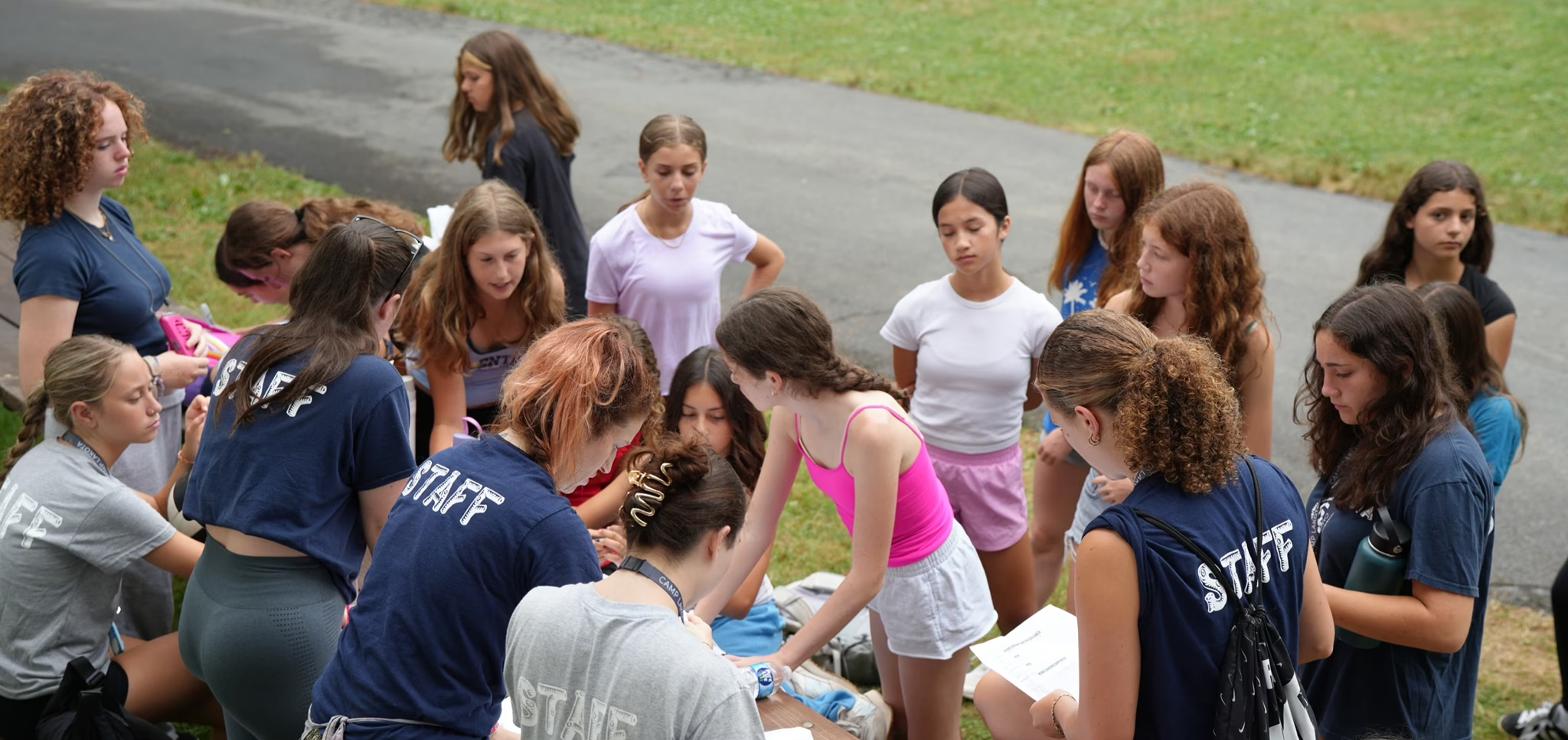
Being far away is the hardest part for most international families. Here’s exactly how you’ll stay in touch:
Note: International post can be slow, so we’d suggest Bunk Notes when timing matters. Pack stamps and envelopes in your camper’s trunk so they can write back, and remember that international postage is easier to bring from home than to find here.
Campers hand in phones and devices when they arrive. Everything is labeled, stored safely in the camp office, and returned at the end of the session. This is one of the most intentional things we do; when kids step away from screens, friendships deepen faster and they try things they’d never otherwise attempt. Everything above is designed so that you feel connected and informed, without pulling your camper back toward the digital world they’ve just stepped away from.
If you have an urgent concern at any point in the summer, our office is reachable at 845-888-5611. After hours, our voicemail provides a 24-hour emergency contact for one of our directors.
Camp Lakota has a fully equipped health center staffed with registered nurses and an on-site doctor, available day and night.
For international families specifically:

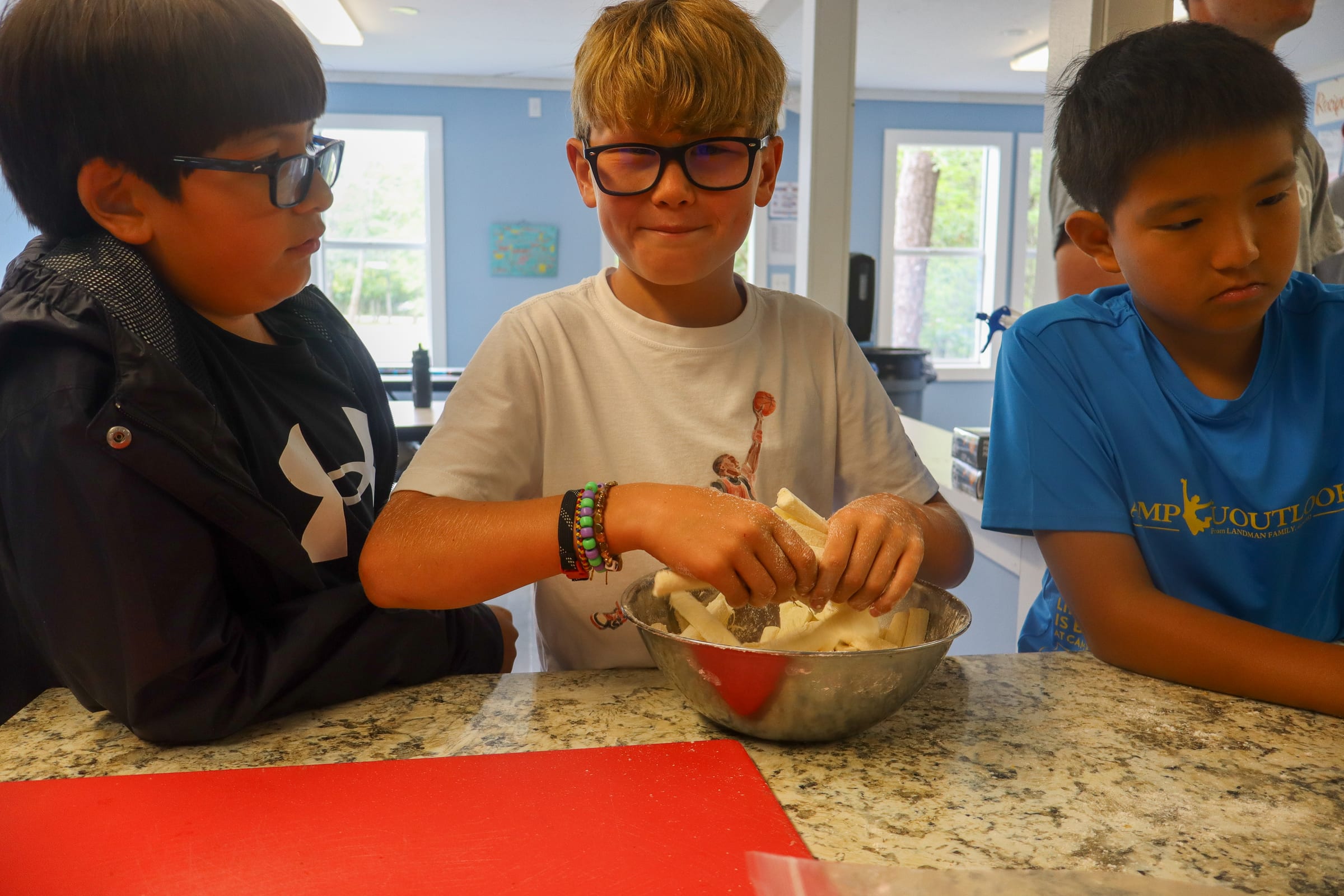
Yes, we welcome campers from around the world, and our international campers are placed in bunks alongside American campers so they’re part of camp life from day one.
Most campers travel on a B-2 visitor visa, or enter under the Visa Waiver Program with an approved ESTA. Summer camp is a recreational visit rather than a study program, which is what determines the visa type. We can provide a letter confirming enrollment on request, but please confirm requirements with your local U.S. embassy or consulate.
Campers should be comfortable enough to follow instructions and ask for help, but a specific fluency isn’t required. Most kids pick up a great deal simply by living it, and being bunked with English-speaking campers accelerates that considerably.
Through daily photos and unlimited Bunk Notes on Bunk1, letters by post, and one scheduled phone call per week after the first week. Bunk Notes received before 9:00 AM are delivered that same morning.
Camp Lakota is screen-free. Phones and devices are handed in on arrival, stored safely in the office, and returned at the end of the session.
It’s common, especially in the first few days, and our staff is experienced at helping campers through it. We ask that calls home wait until after the first week, which sounds difficult but consistently helps campers settle in faster.
Sending your child across an ocean is a significant decision, and no question about it is too small. Our director, Hannah, is personally available to speak with families and is happy to walk through any part of this with you.
Phone: 845-888-5611
Email: info@camplakota.com
We know time differences make “call us anytime” less useful than it sounds, so let us know what hours work on your end and we’ll arrange a time that does.